
Lem Prize Ceremony
Lem Prize 2025 ceremony will take place during the Lem Next Gen Science Forum.
Funders and Partners of Lem Prize 2025




Magdalena Baborska-Narożny
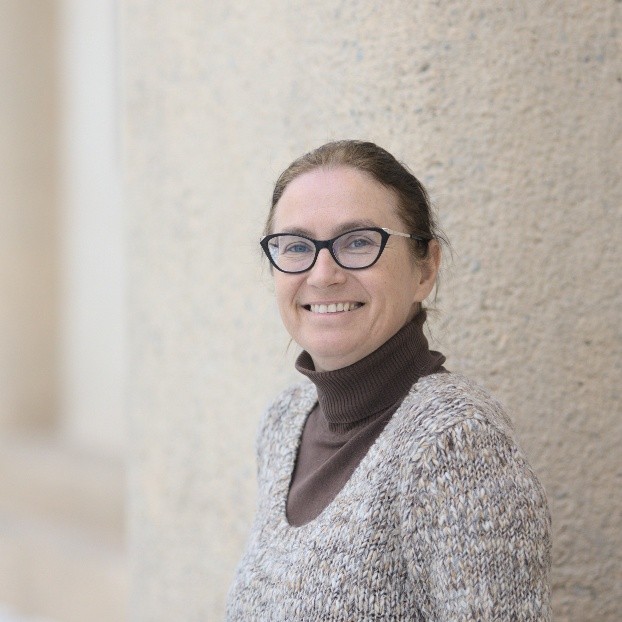
I am Associate Professor at the Faculty of Architecture, Wroclaw University of Science and Technology. My research focuses on residential architecture and the challenges of climate emergency and energy poverty. I am interested in the quality of home environment, perceived as the dynamic outcome of home use practices with a given context. Behind the Blinds: What Real Homes Reveal About Shading, Comfort and Human Behaviour: Why do people open, close or ignore shading devices, and what does that mean for building performance across seasons? Drawing on in-home measurements, modelling and evidence from everyday use, this presentation shows that shading is shaped as much by habits, routines and comfort perceptions as by solar conditions alone. The talk argues that current dynamic thermal building modeling approaches need to better capture both the physics of the building and the people living inside it.
Mariusz Ptak (API)
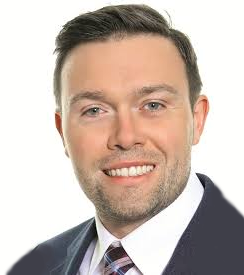
I am a researcher in injury biomechanics (Faculty of Mechanical Engineering) involved in the aHEAD project, focused on advancing the understanding and prevention of traumatic brain injuries through integrated experimental and numerical approaches. Can We Engineer a Safer Brain? From Numerical Models to Real-World Protection: My short presentation will present how advanced brain models are used to design and validate safety solutions for cyclists and motorcyclists including improved helmets and novel energy-absorbing materials inspired by nature. The talk will highlight how these approaches translate into practical innovations enhancing safety in everyday mobility.
Adrian Różański (API)
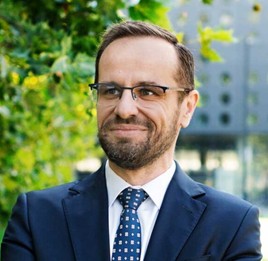
I am an Associate Professor at the Faculty of Civil Engineering at Wrocław University of Science and Technology. My work sits at the intersection of micromechanics, homogenization, and the mechanics of soils and rocks—basically, I try to understand how complex materials really behave. I am also actively involved in geotechnical engineering, currently working on the safety of tailings storage facilities. I’m particularly interested in one simple question: do we really need all the details to understand complex systems? This idea — finding simplicity in complexity— is exactly what I will explore in my talk. Simple Model, Complex World: The Idea of Equivalent Microstructure: Do we really need to model every detail of a complex material to understand its behavior? Complex materials, such as composites and porous media, are characterized by random and highly heterogeneous microstructures, which makes their analysis challenging. This work presents the concept of an equivalent microstructure, in which a complex material is replaced by a simplified model, such as a system of regular inclusions with randomly distributed sizes. Despite its simplicity, the model can accurately reproduce effective properties of real material. The presentation aims to show how complex phenomena can be effectively described using simple analytical approaches.
Bartosz Uniejewski (AIM)
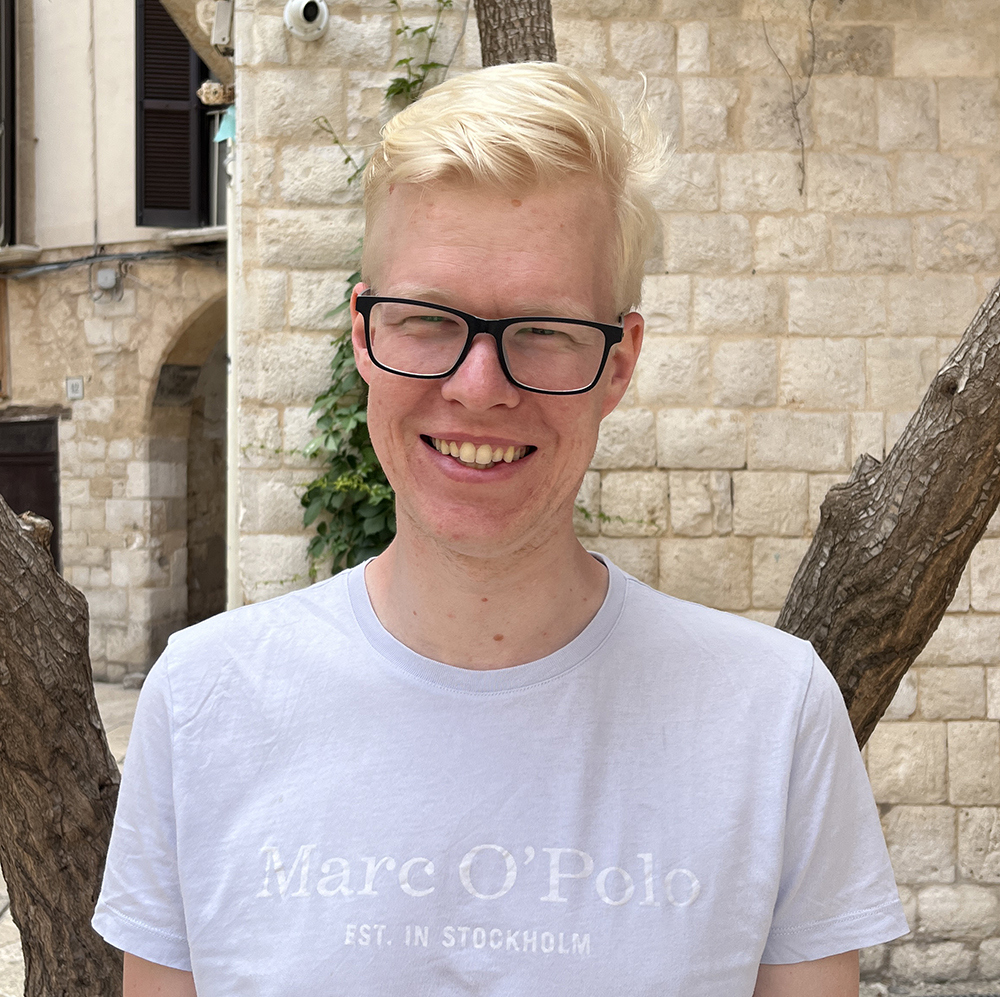
I am an assistant professor at Wrocław University of Science and Technology, working at the intersection of econometrics, forecasting, and energy markets. My research focuses on electricity price forecasting, forecast evaluation, and the links between statistical model performance and real-world economic outcomes, particularly in the context of energy trading and storage systems. Statistical and economic evaluation of forecasts in electricity markets: This presentation examines how to properly evaluate electricity price forecasts when the ultimate goal is decision-making and profit generation rather than purely statistical accuracy. Using a large pool of forecasting models, I show that commonly used measures such as RMSE and MAE are often weakly related to economic performance. Instead, metrics capturing the shape of the predicted price curve and the ability to identify profitable trading opportunities are much more informative. The talk highlights how incorporating economic perspective into forecast evaluation can significantly improve decision-making, particularly for battery energy storage systems operating in day-ahead electricity markets.
Robert Iskander
Robert Iskander
I received the Ph.D. degree in statistical signal processing from Queensland University of Technology (QUT), Brisbane, Qld., Australia, in 1997, and the D. Sc. degree in biocybernetics and biomedical engineering from the Silesian Technical University, Gliwice, Poland, in 2010. From 1996 to 2000, I worked as a Research Fellow at the Signal Processing Research Centre and the Centre for Eye Research, QUT. After that, I joined the School of Engineering, Griffith University, as a Senior Lecturer and the Head of the Signal Processing Group in 2001. In 2003, I went back to QUT as the Principal Research Fellow in the School of Optometry, where I led the Signal and Image Processing Group within the Contact Lens and Visual Optics Laboratory. In March 2011, I joined the Institute of Biomedical Engineering and Instrumentation (from November 2014, the Department of Biomedical Engineering), Wroclaw University of Science and Technology (WUST). Here, I lead the Biomedical Signal Processing Group. In 2016 I finished the Executive Master Business Administration (E.M.B.A.) program of the Poland-USA Business School at WUST. From April 2022, I am proudly serving as a head of the Department of Biomedical Engineering and from 2023 as a director of the Health Tech Synergy Hub at WUST.
Grzegorz Soboń
Grzegorz Soboń
He is an Associate Professor at Wrocław University of Science and Technology, where he leads the Optical Frequency Comb Spectroscopy Group. His research focuses primarily on laser technology, with particular emphasis on applications in biomedicine and molecular spectroscopy. He has led seven research projects funded by the National Science Centre, the National Centre for Research and Development, the Foundation for Polish Science, and the Ministry of Science and Higher Education. In addition to his academic work, he is actively involved in business as a co-founder and board member of Mode-Locked Technology Sp. z o.o., a company established in 2021 that specializes in the development and production of advanced laser systems for scientific and industrial applications
Marta Rusnak
Marta Rusnak
She is a professor at the Faculty of Architecture of Wrocław University of Science and Technology, a member of ICOMOS, a recipient of a scholarship from the Polish Ministry of Culture and National Heritage, and a laureate of the Smoleński Award. She has led an NCN-funded project and holds a full architectural license, with professional experience gained in Dublin. Her research focuses on post-industrial heritage, conservation theory, cultural landscape, and visual perception in architecture. She co-founded the LET’s GO Eye-Tracking Laboratory and studies night-time landscape perception and sustainable lighting. At the Lunares Research Station, she examined the effects of isolation, cognitive load, and architectural conditions on analogue astronauts’ visual perception. She is also a co-creator of the Brave-Cog research team, investigating biosignals and the effectiveness of medical interventions.
Dariusz Jagielski
Dariusz Jagielski
Renata Krzyżyńska
Renata Krzyżyńska
is Vice-Rector for Research and Innovation at Wrocław University of Science and Technology. Her academic career combines engineering excellence with strong international engagement and leadership in research and innovation. Her research focuses on flue gas cleaning technologies and the thermochemical conversion of waste into valuable energy products. Her work is strongly oriented towards sustainable energy systems and environmental protection, combining laboratory, pilot-scale and industrial research at both national and international levels. She has extensive international experience, including a postdoctoral fellowship and visiting scientist positions at the U.S. Environmental Protection Agency, as well as participation in the prestigious Top 500 Innovators programmeat Stanford University. She collaborates with leading international institutions such as Brunel University London, Chalmers University of Technology, and Czech Technical University in Prague. Prof. Krzyżyńska is actively involved in shaping international academic cooperation. She serves as Key Liaison Officer in the Unite! Network for Innovation, Technology and Engineering and, since 2025, as Vice-President of the T.I.M.E. Association, supporting global collaboration between leading technical universities.
Łukasz Damurski
Łukasz Damurski
is an urban planner, researcher and academic teacher at the Faculty of Architecture, Wrocław University of Science and Technology, Poland (since 2006). In 2022 he was appointed the head of the Chair of Urban Planning and Spatial Management. His research interests focus on local (neighborhood) service centers, the relationships between online and offline services as well as public communication and citizen participation in urban planning. He has been a principal investigator in several research projects funded by the National Science Centre Poland and the European Commission. In 2021 he was awarded the Polish-US Fulbright Commission Senior Award and conducted a research project at the Harvard University Graduate School of Design (Cambridge, MA).
Karolina Kordek-Khalil
Karolina Kordek-Khalil
is an Assistant Professor of Chemical Engineering at Wrocław Tech, with nearly a decade of experience exploring the world of electrocatalysis. Her research path has always had a strong international flavor, beginning with an Erasmus internship at the University of Ferrara and a transformative eight-month stay at Griffith University in Australia through the Erasmus Mundus program. These global experiences provided her with a solid methodological foundation that she has continued to build upon throughout her career. She has consistently expanded her reach by securing competitive access to advanced European research infrastructure at ICN2 in Barcelona via the ERIC framework. Currently, she remains active in the broader scientific community as a Management Committee Member for the COST Action, focused on renewable technologies based on electrocatalysis. Her career is marked by substantial experience in managing diverse research projects, including several roles as a Principal Investigator, and she has been recognized with prestigious honors such as the START scholarship from the Foundation for Polish Science and the Minister of Science scholarship for outstanding young scientists. Today, Karolina is developing her own electrocatalysis research group at Wrocław Tech. Her team focuses on the dynamic changes occurring within materials during electrochemical performance, applying the advanced methods and best practices she has gathered from her international journey to uncover how these materials evolve in real-time.
Izabela Walendzik
Izabela Walendzik
is a PhD candidate in the discipline of Chemical Engineering at the Doctoral School of Wrocław University of Science and Technology, where she focuses on the design of advanced carbon materials for applications in electrochemical energy storage and conversion systems, including zinc–air batteries. She is a scholarship holder in projects funded by NAWA and NCN (Preludium Bis), and has also led her own research grant as a laureate of the “Talenty Jutra” competition in the category of “Interdisciplinary projects in the 3W area (water–hydrogen–carbon).” During her PhD, collaboration with researchers from different institutions and disciplines is of key importance to her. She has completed research internships at the Technical University of Vienna, Aix-Marseille University, and the Technical University of Liberec. She combines her scientific work with active engagement in the development of the academic community and in promoting the PhD path as a career choice.
Bogusław Ziemniak
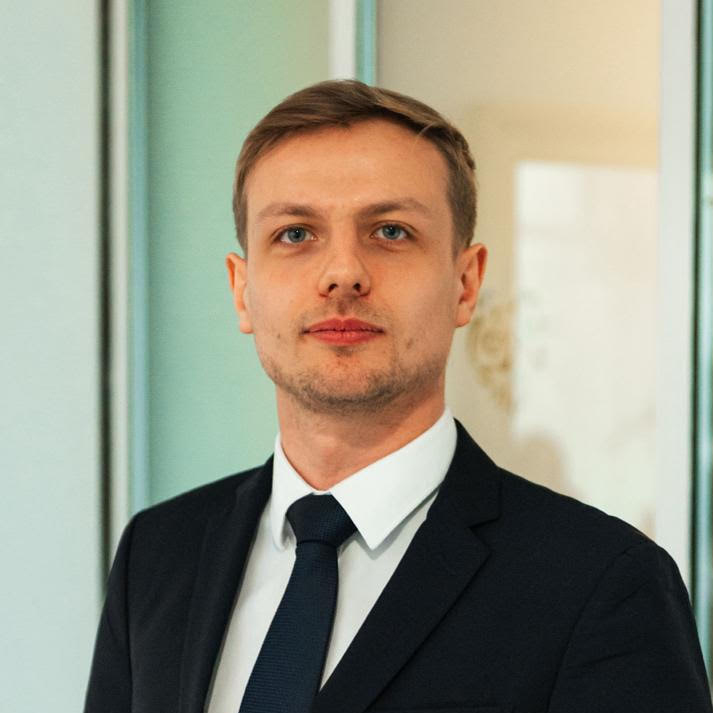
Bogusław Ziemniak
is a graduate from double degree program in Chemical Engineering completed at Wrocław University of Science and Technology (Poland) and Politecnico di Milano (Italy). He is a Project Manager currently located in Madrid (Spain) working for a US-based firm delivering industrial machinery for Oil&Gas business with focus in the Middle East. Prior to this, he's been part of companies across Norway and Denmark designing and delivering turn-key plants facing clients from all around the world. Boguslaw is also a guest lecturer at Danish Technical University (DTU) and has recently launched “EngiPM Hub”, an initiative aimed at helping engineering students and young professionals transition into project management roles through practical training and mentorship.
Łukasz Sterczewski
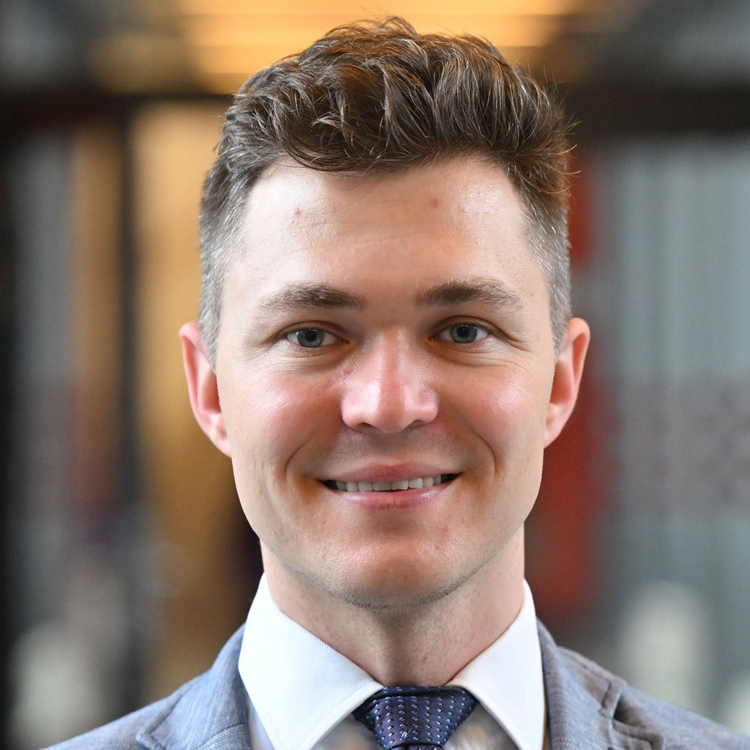
Łukasz Sterczewski
is an electrical engineer working on terahertz radiation and semiconductor lasers in the Faculty of Electronics, Photonics and Microsystems at Wrocław University of Science and Technology. He is a former researcher at NASA Jet Propulsion Laboratory serving now as a university professor at his alma mater.
Sławomir Porada
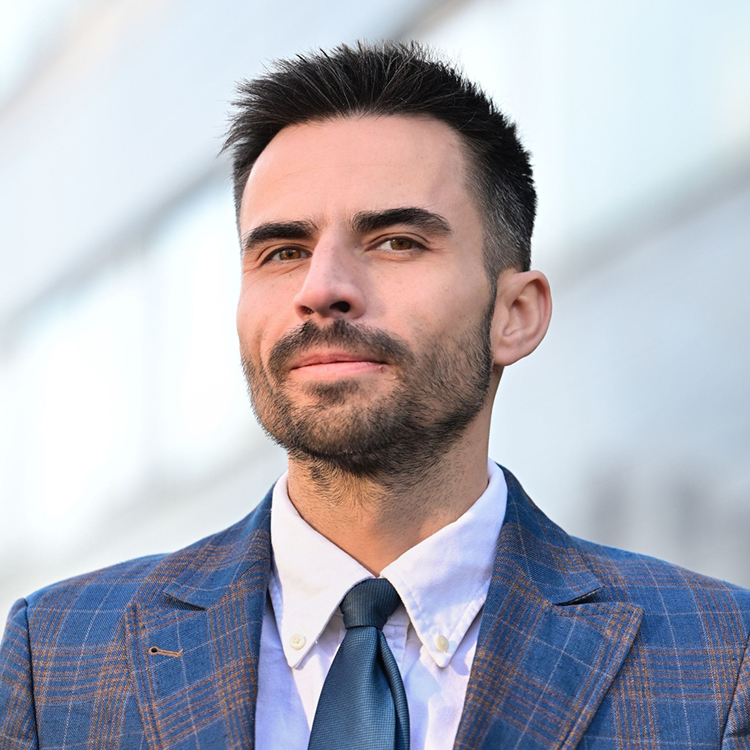
Sławomir Porada
is currently an associate professor at the Wroclaw University of Science and Technology in Poland, having received his PhD in engineering sciences from the same institution in 2013. During the period of 2009 to 2013, he conducted his doctoral research at the European Center of Excellence for Sustainable Water Technologies – WETSUS in the Netherlands, and subsequently was Alexander von Humboldt Program Fellow at INM – Leibniz Institute for New Materials in Germany from 2014 to 2015. From 2017 to 2019, he was a fellow of the VENI program at the University of Twente in the Netherlands, and from 2020 to 2022, he was a scientific project manager at WETSUS in the Netherlands. The research interests of Dr. Porada focus on materials science, electrochemistry, and electrochemical engineering. Specifically, he is interested in research on selective separation processes via electrochemical methods, water desalination using reverse osmosis, and, more recently, energy transition topics such as hydrogen generation via water electrolysis and carbon dioxide capture.
Krzysztof Abramski
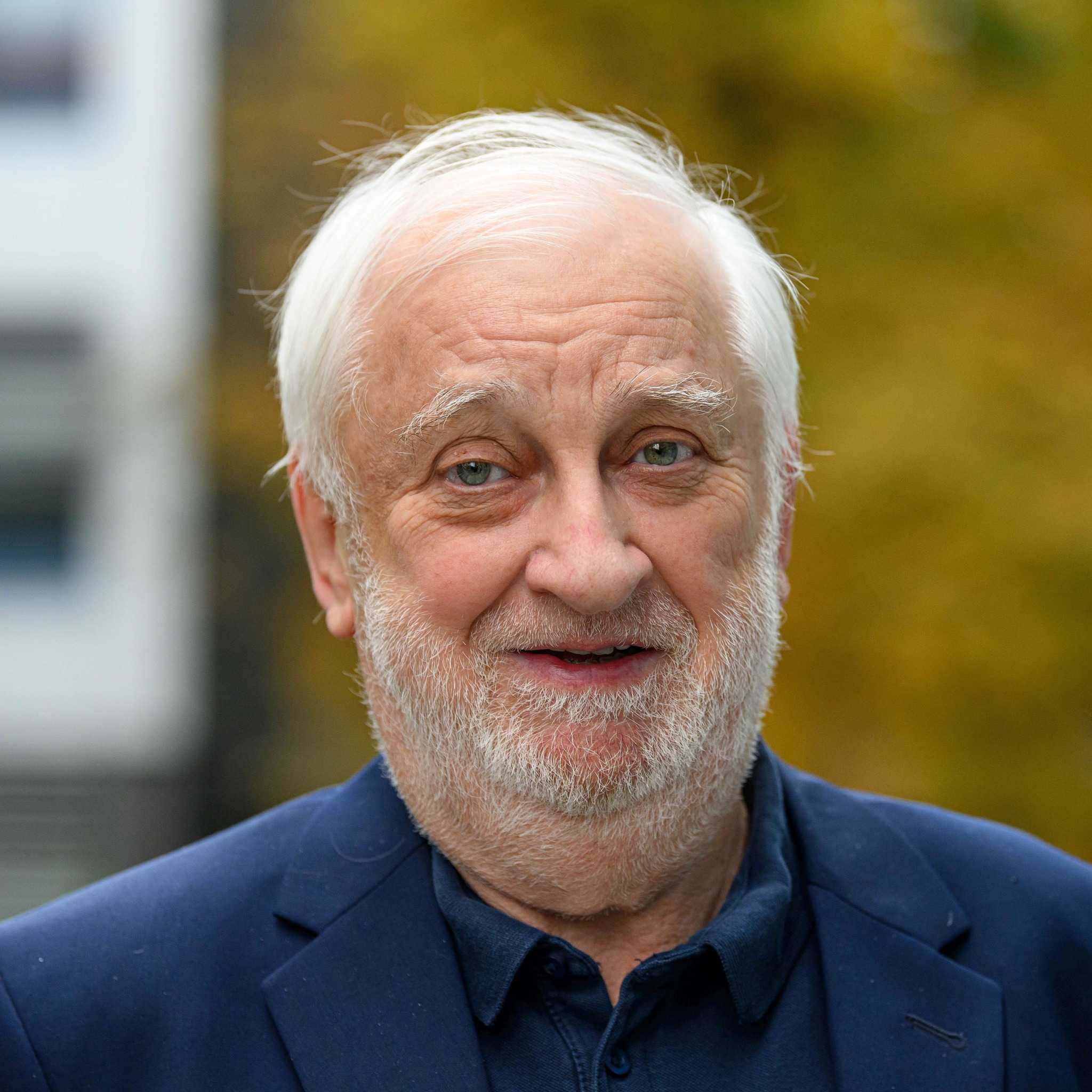
Krzysztof Abramski
(Faculty of Electronics, Photonics and Microsystems) received PhD (1978) in electronics from Wrocław University of Science and Technology. At that time he worked at frequency stabilization of lasers and many aspects of spectral properties of laser radiation. In 1983-84 he worked (Research Fellow) at Twente University of Technology, the Netherlands (CO2, CO lasers, excimer lasers). In 1987 he worked in Faculty of Applied Physics, Hull University, England. After that he worked as a visiting scientist for five years, till 1992 in Optoelectrionics and Lasers Engineering Group, Heriott-Watt University, Edinburgh, on different aspects of radio frequency excited CO2 lasers (wavegudes, slab-waveguides, waveguide arrays, phase locking structures). He returned to Wrocław (1993), where he started creating the Laser and Fiber Electronics Research Group. His scientific interests: optical fiber lasers (cw tunable, pulsed femtosecond, optical combs), microchip diode pumped lasers, optical fiber sensors, free-space and optical fiber communications, laser spectroscopy, medical applications of lasers. His academic motto is “teaching by research” (supervision of 22 PhDs). In 2007, he was awarded an honorary professorship at Heriot-Watt University. He initiated the popular English programs - “Electronic and Computer Engineering” and “Advanced Applied Electronics”. His h-index is 47 with over 8 thousand citations. He is on the list of TOP 2% scientists.
Jarosław Sotor
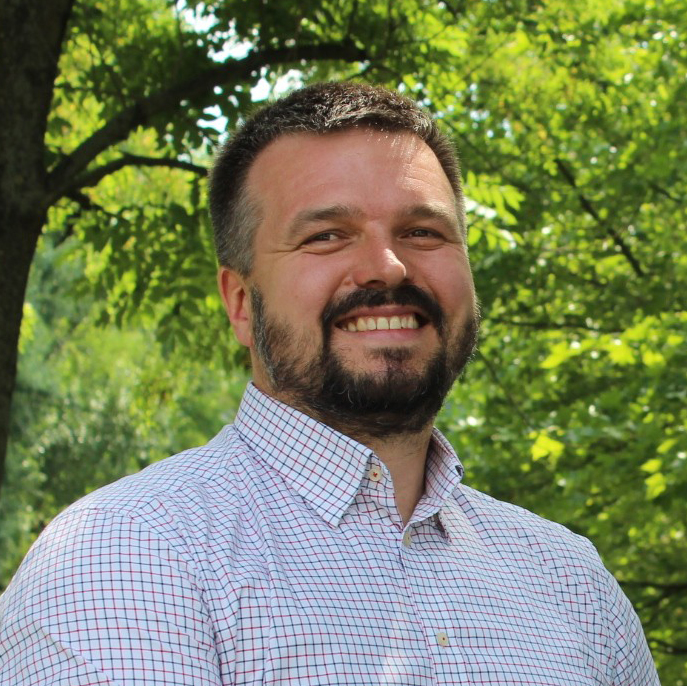
Jarosław Sotor
serves as Head of the Department of Field Theory, Electronic Circuits and Optoelectronics at Wrocław University of Science and Technology. An expert in fiber and solid-state laser technologies, he is recognized for his pioneering work on the use of graphene, black phosphorus, and other nanomaterials for the generation of ultrashort light pulses. He is also actively involved in shaping the Polish photonics landscape, serving as Chairman of the Scientific Council of the FAMO Consortium and coordinator of the Photonics Laboratory within the National Laboratory of Photonics and Quantum Technologies. Alongside his academic and scientific leadership, he is a co-founder and CTO of Mode-Locked Technology Sp. z o.o. He is deeply committed to the development of top-class research infrastructure in photonics and to fostering the next generation of talented young scientists.
Szymon Zelewski
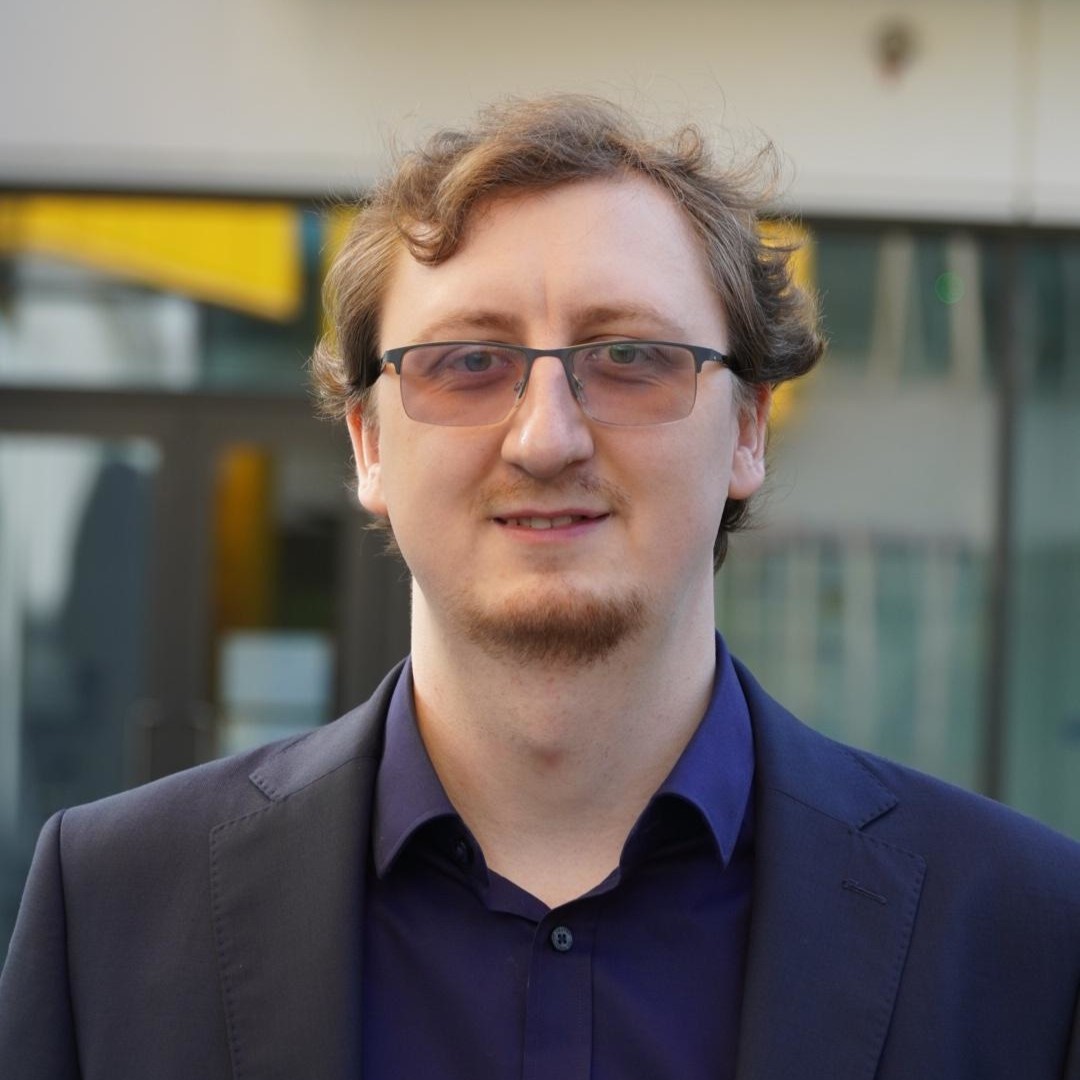
Szymon Zelewski
is an assistant professor and the head of the Photothermal Research Laboratory at the Department of Experimental Physics, Wroclaw University of Science and Technology. He conducts research at the intersection of solid-state physics and materials science, focusing on investigating optical and thermal properties of materials promising for next-generation optoelectronic structures and energy conversion technologies. His key area of expertise is photothermal conversion in semiconductors, including spectroscopic experiments and ultrafast optical thermometry. Previously, he held the positions of a postdoctoral research fellow at the University of Cambridge (2021-2023) and a visiting scientist at the University of Illinois at Urbana-Champaign (2024). The research group led by Dr Zelewski is currently funded by two National Science Centre grants.
Li Tang
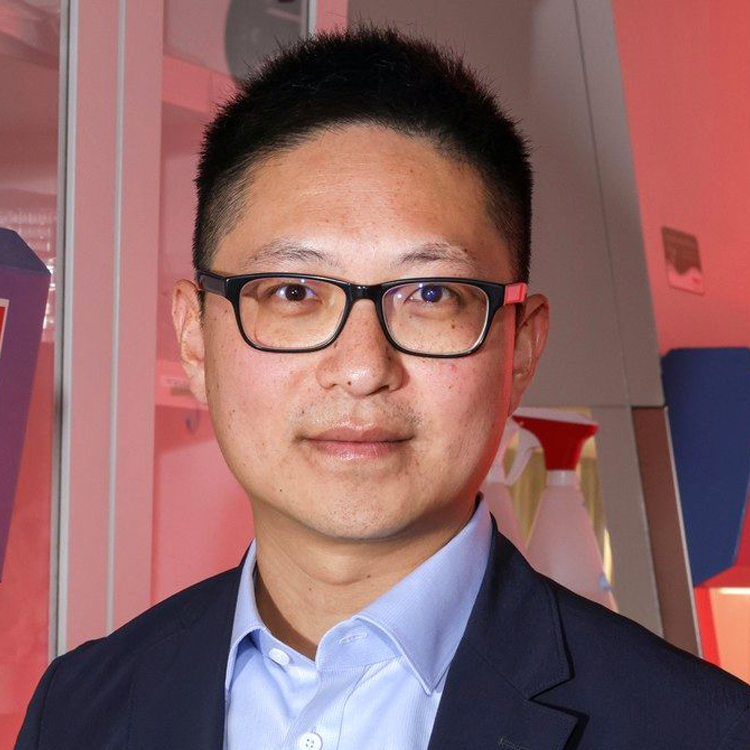
Li Tang
received his B.S. in Chemistry from Peking University, China, in 2007, and Ph.D. in Materials Science and Engineering from University of Illinois at Urbana-Champaign, USA, in 2012, under the supervision of Prof. Jianjun Cheng. He was a CRI Irvington Postdoctoral Fellow in the laboratory of Prof. Darrell Irvine at Massachusetts Institute of Technology during 2013-2016. He joined the faculty of Institute of Bioengineering, and Institute of Materials Science & Engineering, at École polytechnique fédérale de Lausanne (EPFL), Switzerland, as a Tenure-Track Assistant Professor in 2016, and promoted to Associate Professor with tenure in 2022. He is currently the Vice Dean for Innovation and Director of Innovate4Life program at School of Life Sciences, EPFL. His research focuses on developing multidimensional immunoengineering approaches for enhanced cancer immunotherapies. The central paradigm of cancer immunotherapy for decades has been the exclusive focus on “type 1” immunity. While powerful, this approach has inherent limitations, leaving many patients with relapsed or incurable disease. The Tang lab discovered that a completely different, and largely neglected, arm of the immune system—type 2 immunity—holds the key to achieving lasting cures. The IL-10-expressing CD19 CAR-T cells they developed have achieved breakthrough clinical efficacy at extremely low doses in several on-going Phase 1 clinical trials. Dr. Tang is the recipient of Friedrich Miescher Award (2025) from Life Sciences Switzerland (LS2), Leenaards Prize for Translational Medical Research (2025), Biomaterials Science Lectureship (2025), CAB Mid-Career Investigator Award (2024), Biomaterials Award for Young Investigators (2024), Cancer Research Institute CLIP Award (2021), Anna Fuller Award (2021 and 2022), European Research Council (ERC) Starting Grant Award (2018), and named in the MIT Technology Review’s “Top 35 Innovators under Age 35” list of China region (2020).
Anna Siekierka
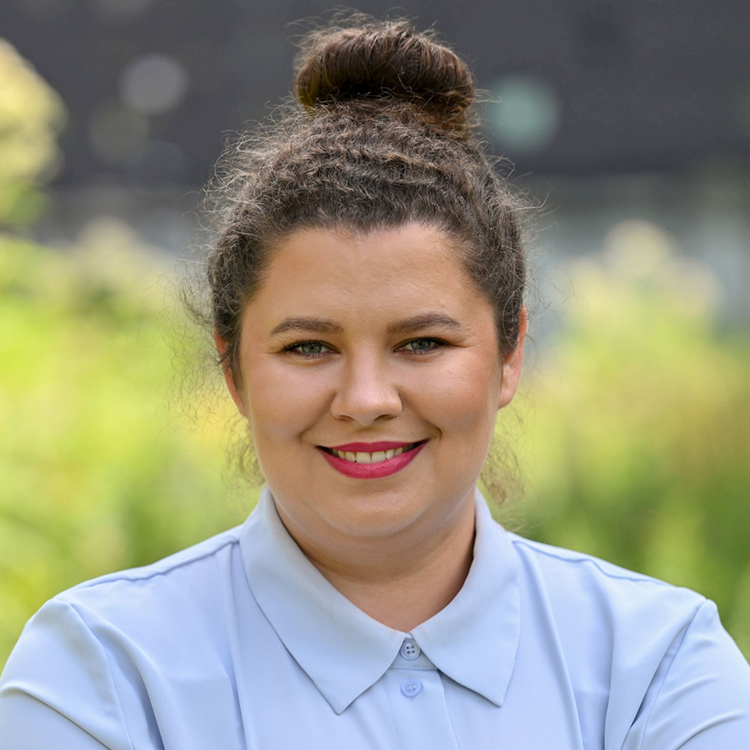
Anna Siekierka
is a specialist in chemical engineering and membrane technologies at the Faculty of Chemistry, Wrocław University of Science and Technology. She obtained her PhD in 2019 and her habilitation degree in 2025. Since 2025, she has held the position of university professor. Her research focuses on electro-membrane processes, selective separation of metal ions, and energy recovery. In particular, her work addresses innovative electrodialysis systems and battery recycling, including pioneering research on hybrid capacitive deionisation for lithium recovery and the development of ultra-selective membranes for battery recycling applications. Dr hab. Eng. Anna Siekierka leads research projects funded by the European Research Council (ERC Starting Grant ReHeal4waste) and the Polish National Science Centre (NCN). She has completed research fellowships abroad, delivered invited and keynote lectures, and received numerous awards and distinctions, including the prestigious TOP 2% Scientist 2024–2025 recognition. She is the author of over 40 scientific publications, with an h-index of 18.
Maciej Mulak
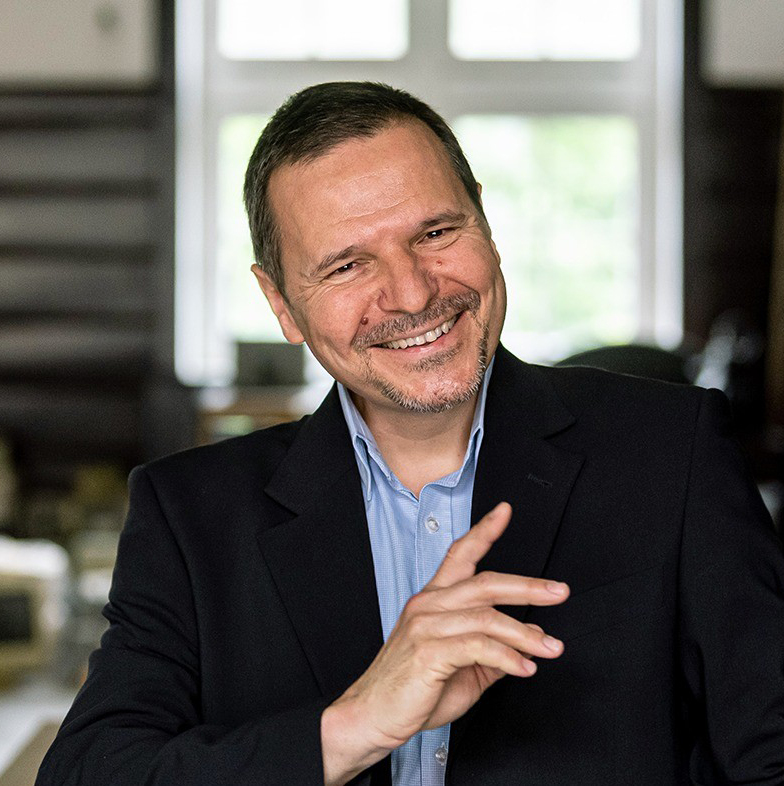
Maciej Mulak
teaching professor at the Faculty of Fundamental Problems of Technology, Wrocław University of Science and Technology. His research has focused on the crystal field effect in lanthanide compounds and on superconductivity. For years, his main focus has been science outreach — with particular emphasis on the fundamental ideas of physics and their presence in everyday life. He has been continuously involved in co-organising the Lower Silesian Science Festival since 2005, and collaborates with secondary schools and the Young Explorers' Academy, leading classes and meetings for young people. Together with Lucyna Róg-Wolska, he co-creates the podcast "Fizyka bez zamulania" ("Physics Without the Fluff"), which for nearly three years has been introducing listeners to the fascinating world of physics in an accessible and engaging way — its 78 episodes have gathered 66,000 subscribers and 6.5 million views. He was also a co-creator of the "Phenomena of Wrocław Tech" film trilogy and several episodes of "PoliLab". In 2024, he was nominated for the Science Populariser of the Year Award in the Scientist category. In his work, he seeks a new language for describing the world — one that brings humanists and scientists closer together.
Irmina Dutkowska
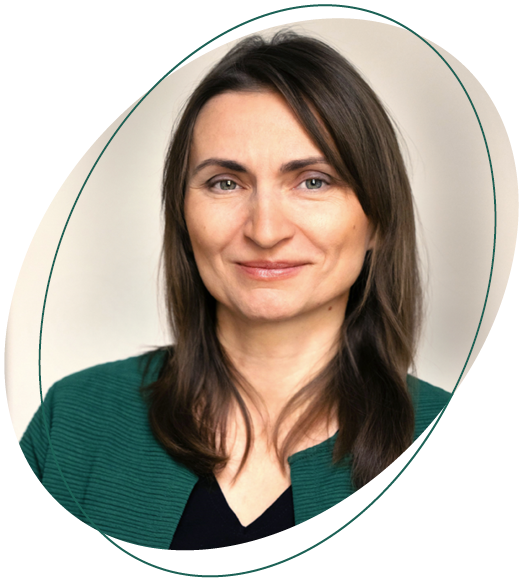
Irmina Dutkowska
Psychologist, coach, mediator, trainer and manager. An expert who seamlessly combines years of managerial and business experience with psychological practice and a strategic approach to human and organizational development. She was honored with a nationwide nomination for Personality of the Year 2025 in the Business Environment category. Professionally associated with Wrocław University of Science and Technology, where she manages the Department of Psychological Support and Mediation, she is also recognized psychologist for her work on the ZnanyLekarz platform. Her professional reach extends to her YouTube channel, @IrminaDutkowska – Psychology in Practice, a space dedicated to reflection, expertise, and a practical perspective on psychology in both life and work.
Sabina Knichnicka
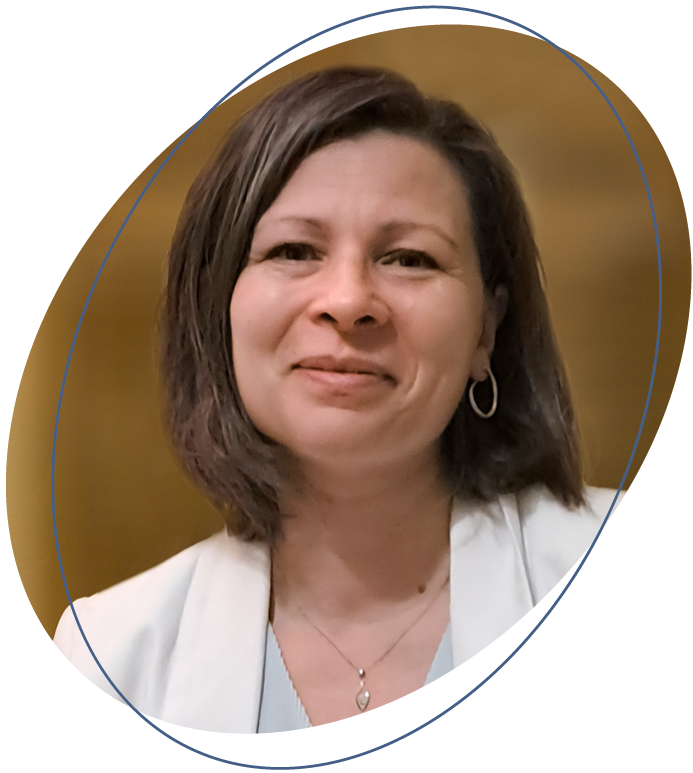
Sabina Knichnicka
Psychologist and Trainer at the Department of Psychological Support and Mediation, Wrocław University of Science and Technology. For over 20 years, she has supported individuals through pivotal moments of their life and personal growth. Currently, her work focuses on providing guidance to university staff and doctoral students. In her practice, she helps navigate achievement pressure, procrastination, and the fear of evaluation. By integrating CBT and ACT approaches with somatic mindfulness, she teaches practical emotion regulation techniques for everyday academic life. She firmly believes that prioritizing well-being is not merely an addition to research work, but its essential foundation.
Marzena Lucyna Kierepka
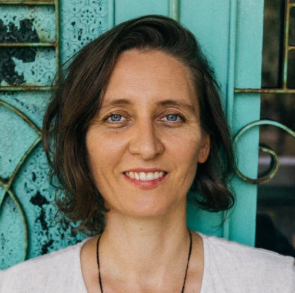
Marzena Lucyna Kierepka
a wellness and yoga educator with over 20 years of international experience, she founded the first yoga and pilates school in Hanoi, Vietnam. She has authored programs and manuals integrating anatomical knowledge, therapeutic movement, and mindfulness methods. An experienced practitioner, she has trained hundreds of yoga instructors. She promotes conscious movement and nervous system regulation as the foundations of mental resilience, helping to manage stress and tension in the body.
Karolina Fila-Pawłowska
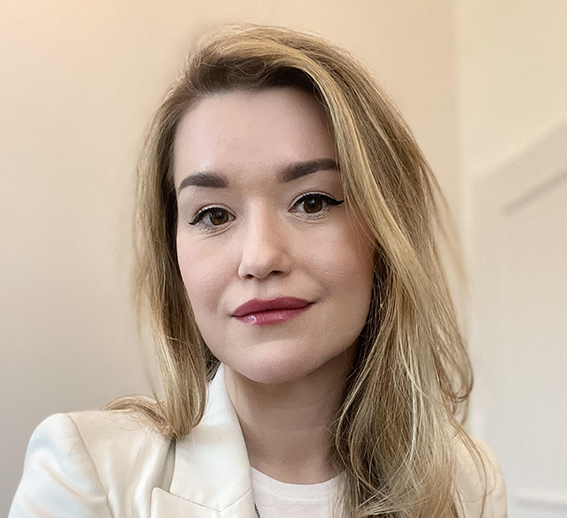
Karolina Fila-Pawłowska
Psychologist specializing in psychiatric and neurocognitive disorders, with a focus on neuromodulation techniques. She obtained her PhD in psychiatry with distinction (cum laude) from Wrocław Medical University. Her research focuses on the development and clinical application of TMS, tES/tDCS, and DBS, particularly in treatment-resistant depression, OCD, and cognitive disorders . She is currently an assistant professor at the department of clinical neurosciences, Medical faculty, Wrocław University of Science and Technology, where she works within the BRAVES programme on biomarker-driven personalized neuromodulation. Alongside her academic work, she maintains clinical practice. She has authored 28 Web of Science-indexed publications (H-index = 9; 294 citations)
Anna Kowalska-Pyzalska (API)
I am a researcher at Wrocław University of Science and Technology focusing on the social and behavioral dimensions of energy transition, particularly Renewable Energy Communities (RECs). My work combines qualitative and quantitative methods, including agent-based modeling, to understand how individuals and communities engage with decentralized energy systems. | "Renewable Energy Communities as Socio-Technical Systems: Why Technology Alone Is Not Enough" | This presentation examines renewable energy communities (RECs) as socio-technical systems, highlighting how technological solutions interact with user behavior, institutional frameworks, and psychological factors. Drawing on mixed-method research conducted in Poland (qualitative interviews and a quantitative survey, N≈1000), the results show that readiness to participate in RECs is driven more by behavioral and perceptual factors than by purely technical or socio-demographic variables.
Dominik Terefinko (AIM)
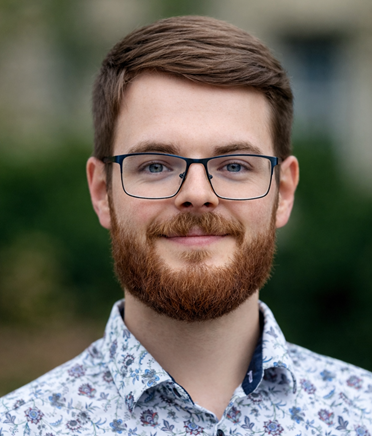
His research focuses on the chemical aspects of cold atmospheric plasma and its translation into practical applications, particularly in breast cancer therapy, the synthesis and modification of hydrogel-based materials, and the development of compounds with antimicrobial activity. | "Cold Atmospheric Plasma and Its Biological Activity" | This presentation will highlight how electrically driven chemistry can be transformed into a powerful and versatile tool for modern medicine. It will discuss recent advances in the use of cold atmospheric plasma as a sensitizing agent for breast cancer cells, emphasizing its role in synergistic therapeutic approaches aimed at improving drug efficacy. Future perspectives for the development of this research area will also be outlined. In addition, the talk will briefly address the potential of cold atmospheric plasma in dental and endodontic applications, including its integration with CAD/CAM technologies.
Michał Mazur (API)
Mazur is an associate professor at the Faculty of Electronics, Photonics and Microsystems at Wrocław University of Science and Technology. His research focuses on PVD-grown thin-film metal oxides, especially gasochromic WO3 coatings, optical and structural characterization of functional materials, and the development of thin-film based sensors and optoelectronic systems. | "Thin-film gas sensors" | Thin-film gas sensors detect volatile organic compounds and other hazardous gases using coatings with thicknesses in the nanometre range. These sensors can be fabricated by various deposition techniques, including vacuum-based methods such as PVD and CVD. My research focuses on metal-oxide thin-film sensors that are transparent in the visible wavelength range and can detect hydrogen with ppm-level sensitivity using electrical signals, as well as higher concentrations through changes in optical spectra.
Bartosz Zajączkowski (API)
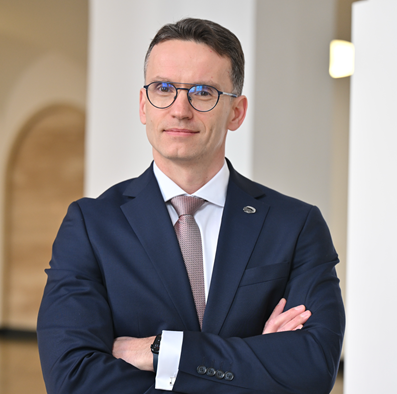
Heads the Department of Thermal Sciences at the Faculty of Mechanical and Power Engineering, Wrocław University of Science and Technology. His research combines fundamental and experimental studies of heat and mass transfer, phase change, and multiphase flows with work on modern refrigeration and energy technologies. More recently, his interests have also expanded toward the potential use of AI and machine learning in thermal sciences. | "Why Experiments Still Matter - Learning How Thermal Phenomena Really Work in the Age of AI and Simulations" | The presentation will focus on the importance of experimental research in the development of modern thermal sciences, especially in the areas of cooling, boiling, and heat transfer enhancement. It will show why a well-designed experiment remains essential both for understanding physical phenomena and for developing more efficient, energy-saving, and low-emission technical solutions. It will also emphasize that, even in the age of simulations and AI, experiment remains the key to testing ideas against physical reality.
Marcin Syperek (API)
Is an associate professor at Wroclaw University of Science and Technology. He specialises in photonics and spectroscopy of micro- and nanoscale semiconductor quantum systems. His group's research concentrates on quantum devices for quantum information processing, including design, fabrication, and characterisation. | "Nanophotonic devices for quantum information processing" | In this brief talk, I will introduce our latest solution for the deterministic fabrication and characterisation of semiconductor nanophotonic devices that generate a stream of single photons for quantum information processing in quantum photonic chips and distributed fibre networks.
Weronika Urbańska (AIM)
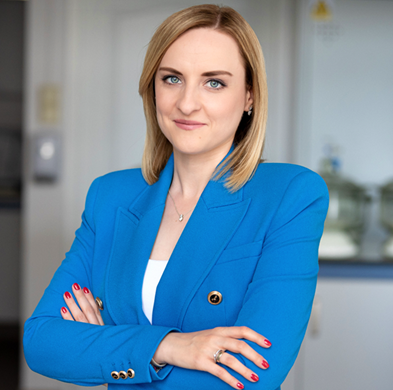
Assistant Professor at the Department of Environmental Engineering, Faculty of Environmental Engineering, Wrocław University of Science and Technology. Her research interests include methods for the recovery of critical metals from spent lithium-ion batteries, sustainable resource management and extraction from extraterrestrial resources, the impact of waste management on climate change and the implementation of circular economy principles in everyday life (zero waste) and industry. | "Biomining in Space: Regolith as a Key to Sustainable Lunar Missions" | This presentation will explore the potential of biomining as an innovative approach to resource extraction in space. It will focus on how microorganisms will be used to recover valuable elements from lunar regolith, supporting sustainable exploration and enabling a long-term human presence on the Moon. It will also highlight how technologies currently applied on Earth for the recovery of critical materials from waste will inform and enhance biomining strategies in space, reducing dependence on Earth-supplied resources. Finally, the presentation will discuss how these approaches will contribute to the development of a circular and sustainable space economy.
Agnieszka Mirkowska (AIM)
Is an assistant professor at the Electrical Faculty of Wroclaw University of Science and Technology. Her research interests include the fabrication and properties of innovative dielectric materials, including piezoelectrics and ferroelectrets, as well as their interdisciplinary applications in modern technologies such as transducers, energy harvesting, and biomedicine. | "Living micro powerplant - few words about energy harvesting from human body" | This presentation introduces the concept of the human body as a living micro power plant, capable of generating energy from motion and body heat. It highlights how technologies such as piezoelectric and thermoelectric systems can convert everyday human activity into electricity, enabling self-powered devices. Energy harvesting represents a future-oriented approach that allows us to generate “electricity out of nothing”.
Piotr Młynarz
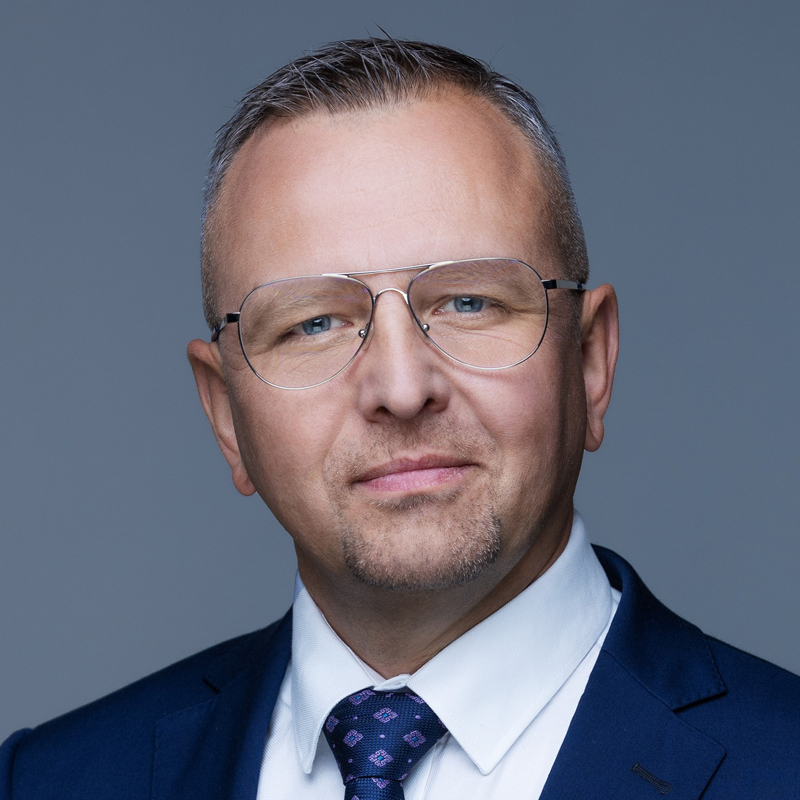
Prof. Piotr Młynarz
is an expert in the field of metabolomics and organic chemistry. He acquired his knowledge at the University of Leiden, the University of Siena, the University of Trieste and the CERM in Florence. He is the author of over 70 highly rated and peer-reviewed articles, including 23 in the field of metabolomics. He was the supervisor of several master's theses and several doctoral theses. He serves as the Vice-President of the Polish Metabolomic Society and the member of the Polish Chemical Society. In scientific research, prof. Młynarz focuses on the analysis of metabolic diseases, i.e. cancer, diabetes, and lung diseases. He currently serves as the Vice-Rector for Organization and Infrastructure of the Wrocław University of Science and Technology for the 2024-2028 term.
Krzysztof Pyrć
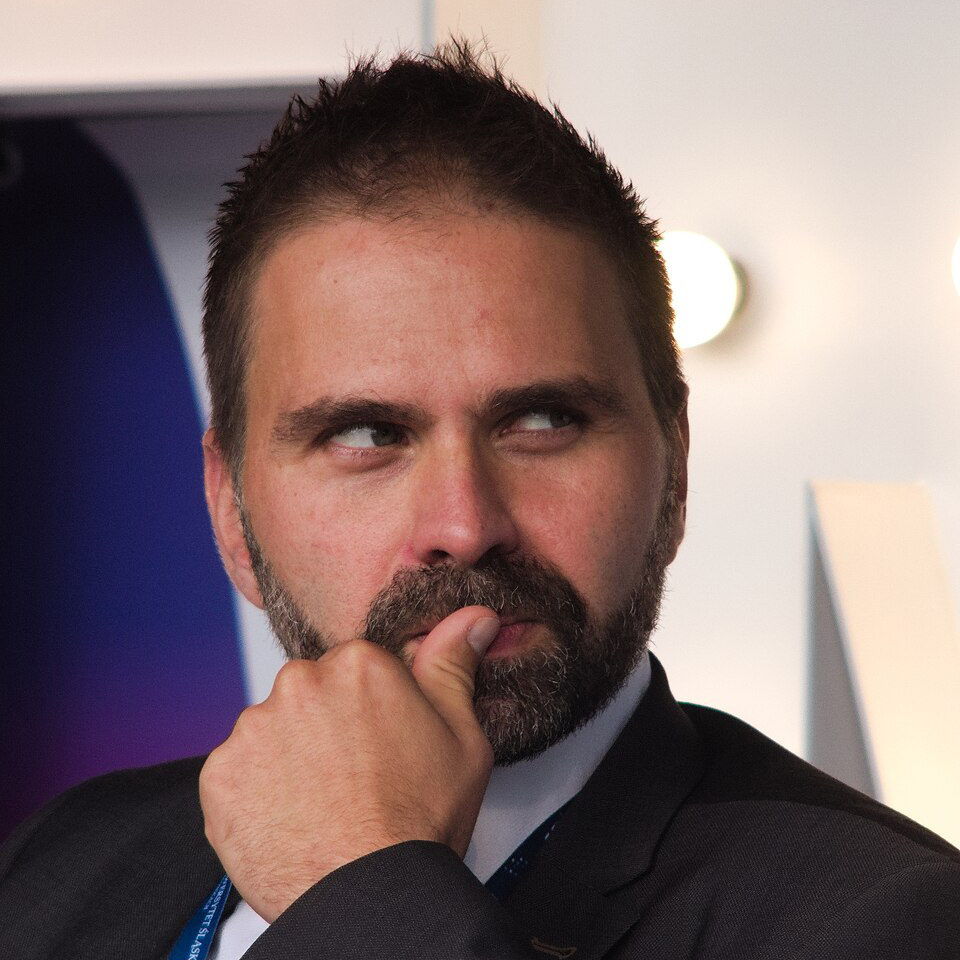
Krzysztof Pyrć
is a virologist and professor of biological sciences, best known for his research on coronaviruses and other emerging viruses. He is the founder and head of the Virology Laboratory at the Małopolska Centre of Biotechnology, Jagiellonian University. He has authored more than 140 scientific publications and is widely recognized for his contributions to infectious disease research. Since 1 September 2025, he has served as President of the Foundation for Polish Science (FNP).
Krzysztof Jóźwiak
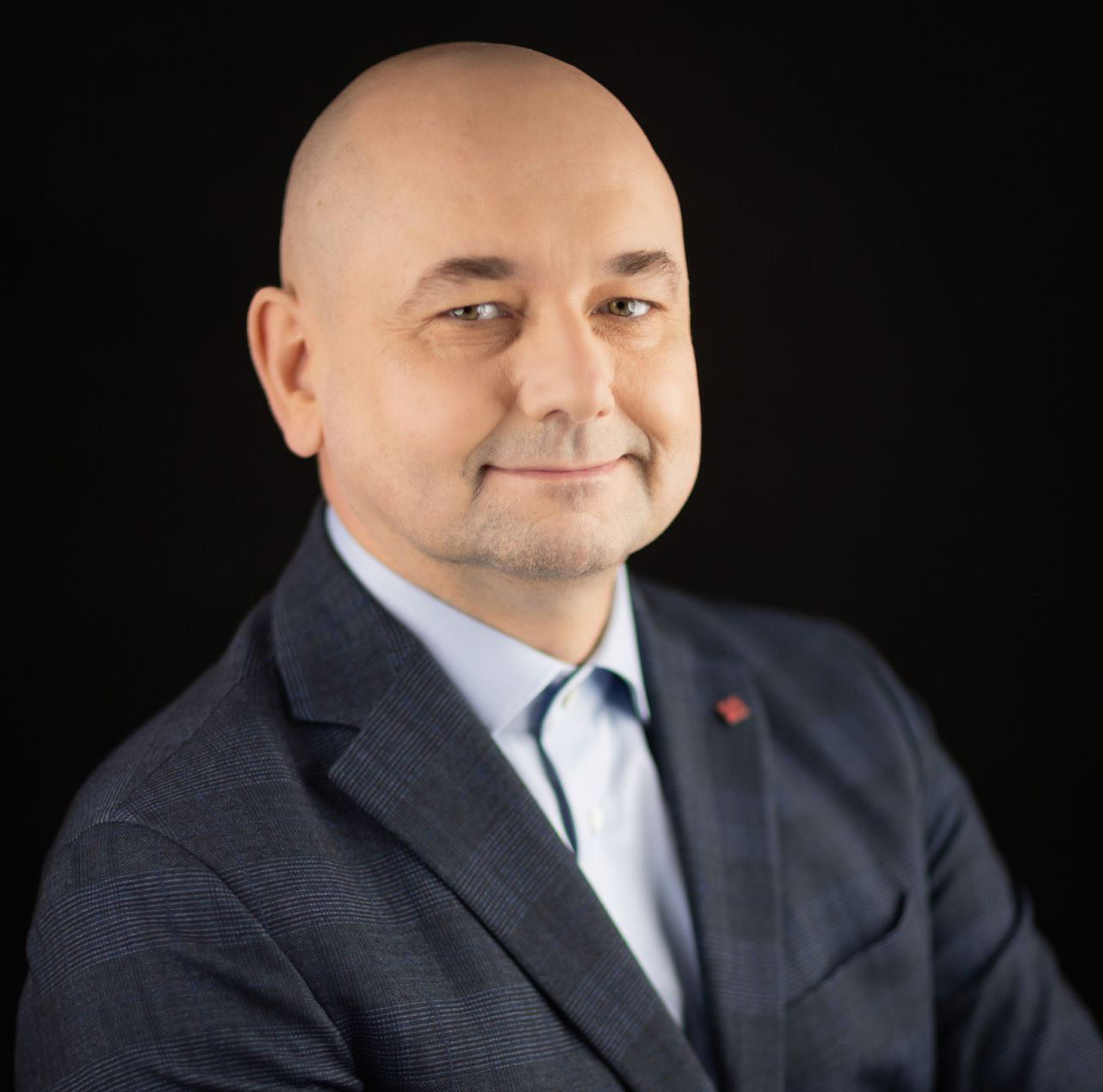
Krzysztof Jóźwiak
is a scientist specializing in molecular pharmacology and medicinal chemistry. He is a professor at the Medical University of Lublin, where he has led work in biopharmacy and chemistry. Between 2012 and 2020, he served on the NCN Council, including as head of its Life Sciences Committee. Since October 2023, he has been Director of the National Science Centre (NCN).
Anna Górecka
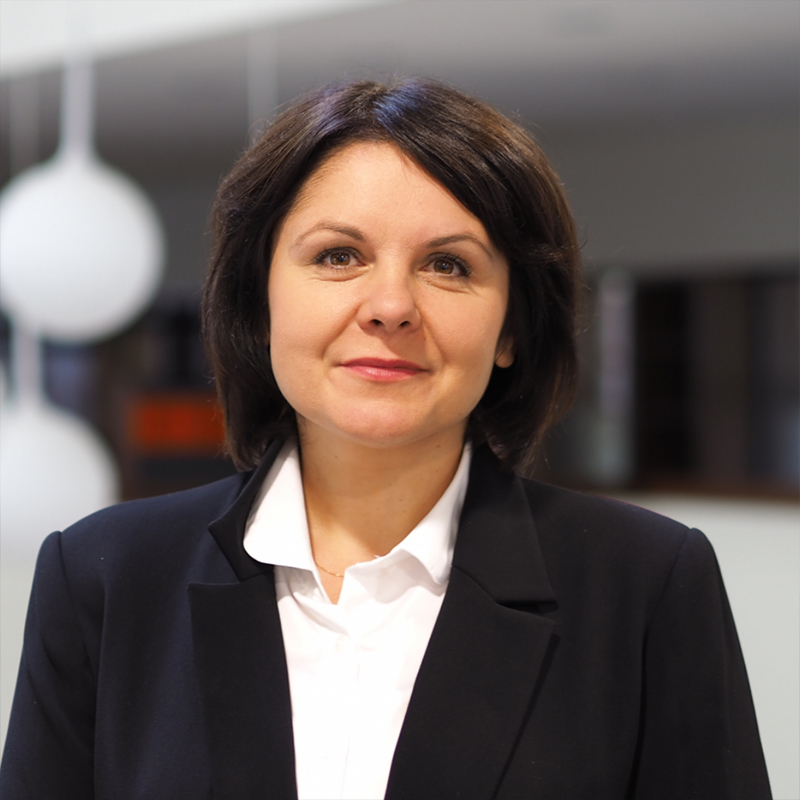
Anna Górecka
Wrocław Tech
Daniel Strub

Daniel Strub
Liquid Technology Sp. z o.o.
Karina Krawiec
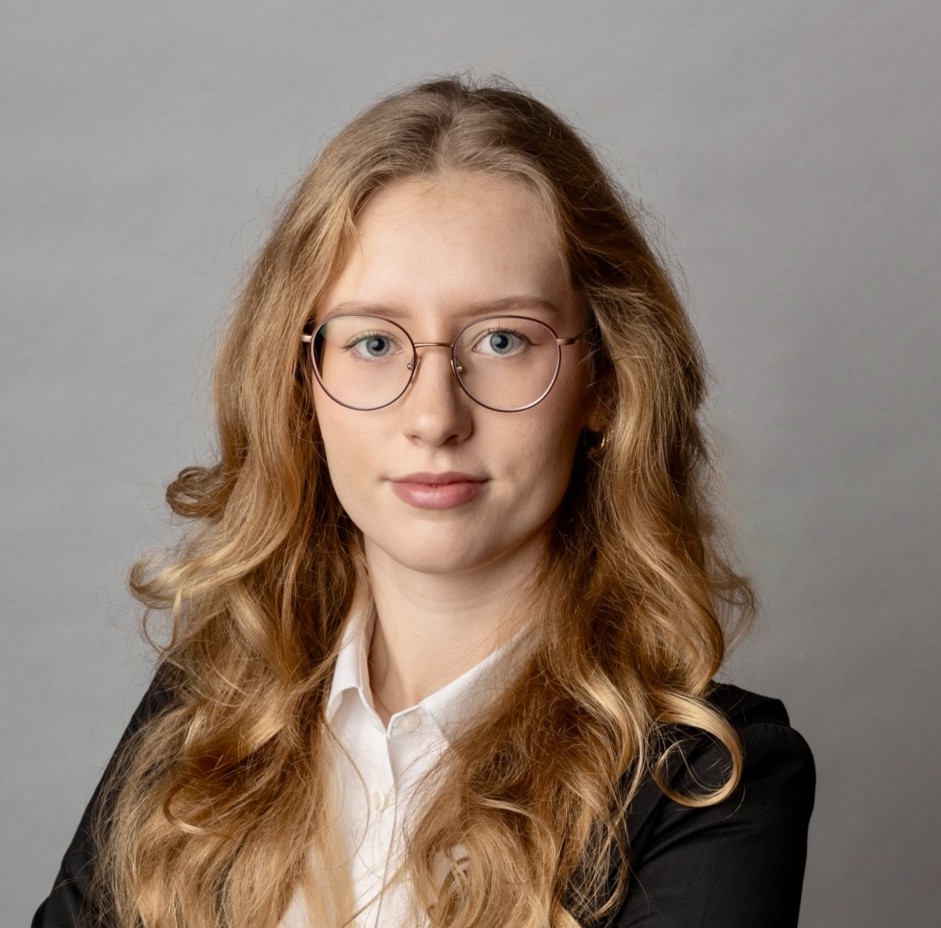
Karina Krawiec
is a research and teaching assistant at the Faculty of Mechanical Engineering at Wrocław University of Science and Technology, in the Department of Mechanics, Materials and Biomedical Engineering. Her research focuses on biomechanics, materials engineering, and the analysis of dynamic phenomena, particularly traumatic brain injuries (TBI). She is the author and co-author of scientific publications indexed in international databases. She is also the co-founder of Astriva Sp. z o.o., a deep-tech company developing innovative protective solutions based on research in mechanical and materials engineering. Astriva develops modern personal and technical protection systems, including bulletproof vests, helmets, and armored solutions for vehicles and critical infrastructure. The company focuses on addressing real-world operational challenges related to blast and ballistic threats by combining advanced numerical simulations, experimental validation, and innovative composite materials. By bridging the gap between scientific research and practical implementation, Astriva aims to deliver effective solutions with broad deployment potential that enhance safety in demanding real-world conditions.
Artur Podhorodecki
Artur Podhorodecki
QNA Technology S.A.
Maciej Milewski
Maciej Milewski
Sky Rescue Sp. z o.o.
Marcin Drąg
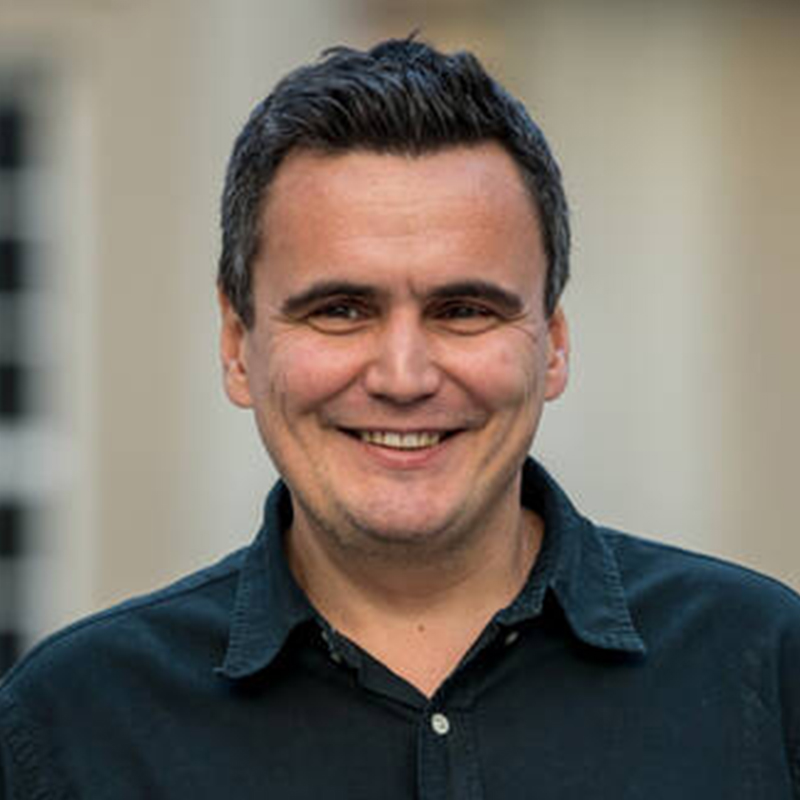
Marcin Drąg
is a distinguished Polish chemist specializing in biological chemistry and chemical biology, internationally known for his work on proteolytic enzymes and antiviral discovery. He is affiliated with Wrocław University of Science and Technology, where he built a leading interdisciplinary research program on proteomics.Since 2025, he has been based in Warsaw as ERA Chairs Professor at the Institute of Physical Chemistry of the Polish Academy of Sciences. There, he leads the PERFECTION project and is establishing a new Centre for Biological Chemistry
Anna Byzia
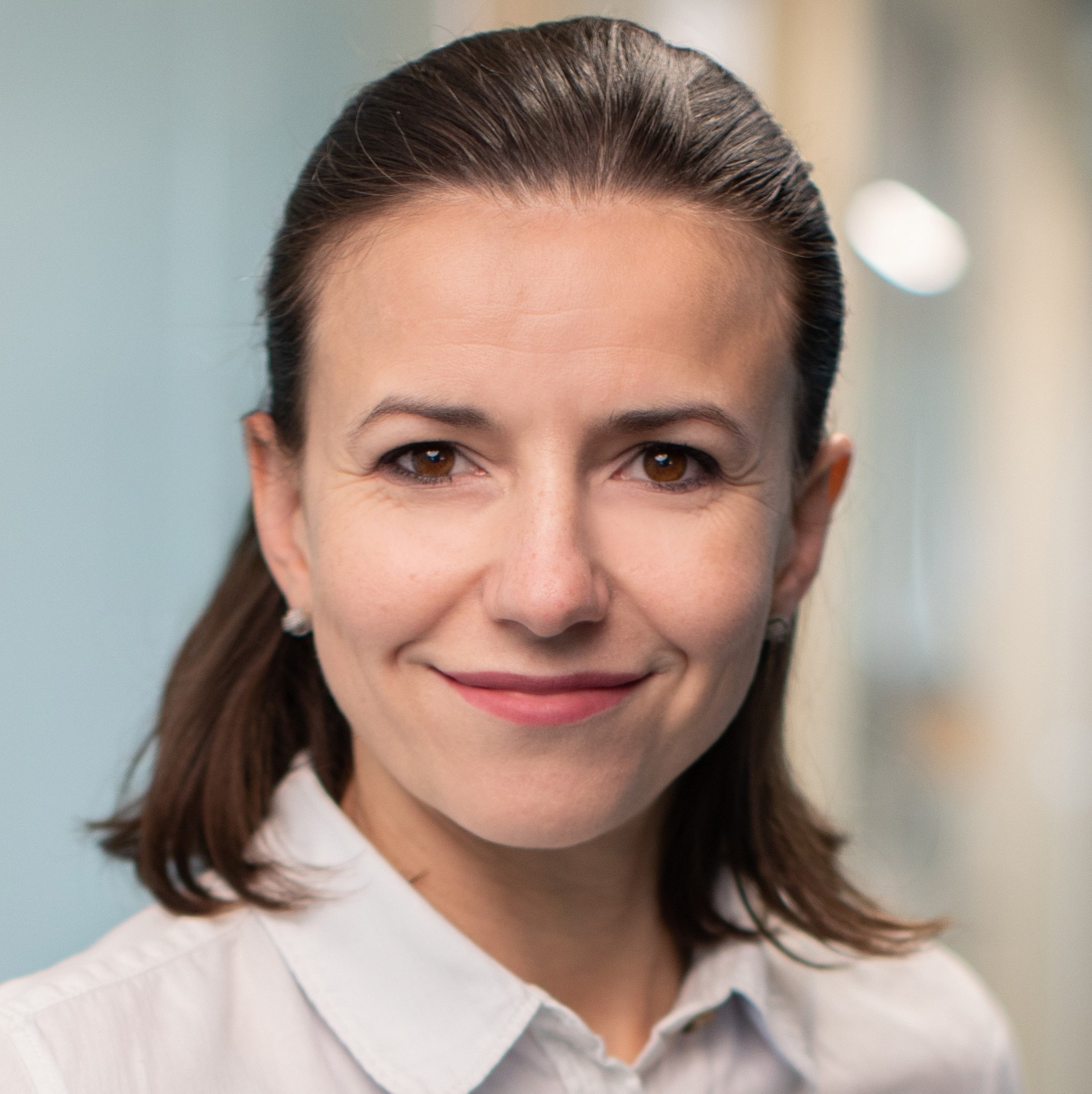
Anna Byzia
holds a PhD in Biotechnology from Wrocław University of Science and Technology (2015). Following her doctoral studies, she chose to pursue a career beyond academia and joined McKinsey & Company in 2016. McKinsey is a leading global management consulting firm that advises organizations on their most critical strategic challenges. She started as a Senior Analyst and currently serves as Team Lead within the Pharmaceutical sector. In her current role, she leads global knowledge management and advanced analytics initiatives focused on pharmaceutical R&D. She works closely with leading pharmaceutical and biotechnology companies, supporting them in shaping innovative portfolio strategies, prioritizing R&D investments, and improving overall R&D productivity. Her work sits at the intersection of science, data, and business strategy, allowing her to translate complex scientific concepts into actionable insights that drive real-world impact. From the perspective of a career beyond academia, her path demonstrates how a strong scientific foundation can open diverse opportunities outside the traditional research environment. On a day-to-day basis, she collaborates with multidisciplinary teams, engages with senior industry stakeholders, and contributes to solving some of the most pressing challenges in drug development such as accelerating
Agnieszka Dobrzyń
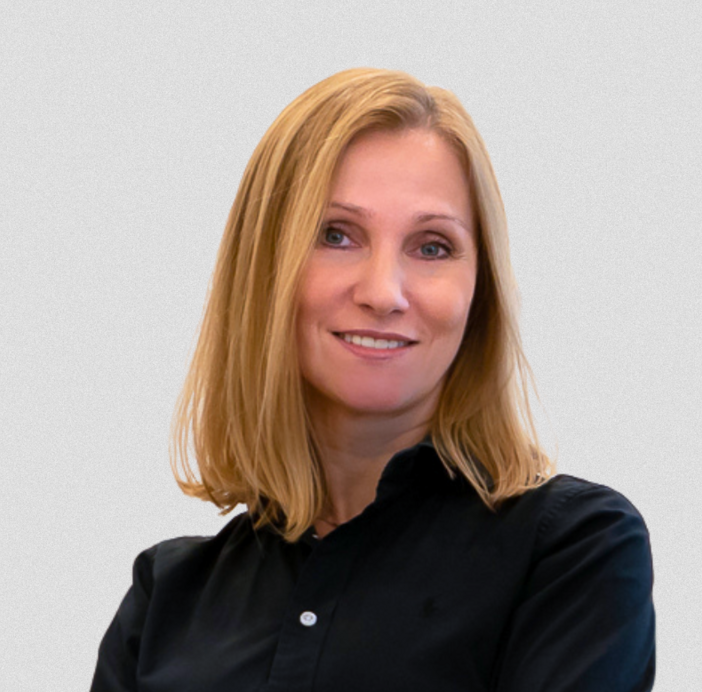
Agnieszka Dobrzyń
is a molecular biologist with a background in medical sciences. Her research is conducted within a multidisciplinary team focusing on signaling and transcriptional cascades that play a key role in cell metabolism and human metabolic diseases, particularly type 2 diabetes. The main objective of her work is to understand how lipid metabolites and epigenetic regulators of gene expression contribute to the development of insulin resistance and pancreatic β-cell dysfunction. Her research interests also include the metabolic regulation of the DNA damage response, epigenetic regulation of pancreatic islet metabolism and function, and the application of induced pluripotent stem cells (iPSCs) as a source of insulin- and glucagon-producing cells for tissue engineering and regenerative medicine. For her research achievements, Prof. Dobrzyń has twice received the Minister’s Award for Excellent Research (in 2016 and 2021). In 2026, she was awarded the “Digital Shaper” badge by Business Insider, as well as the “Health Creator’2026” distinction granted by the Women’s Health Congress. Career Prof. Agnieszka Dobrzyń is a biologist by training who obtained a PhD in Medical Sciences, which led to her focus on metabolic disorders. She subsequently completed a four-year postdoctoral fellowship at the UW–Madison in the United States, where she developed a strong interest in cell metabolism. At the age of 33, she achieved habilitation and established her own independent research group at the Nencki Institute of Experimental Biology, PAS in Warsaw, Poland. In 2015, she received the title of professor from the President of Poland. Over the course of her career, prof. Dobrzyń has supervised and graduated 11 PhD students. For the past eight years, she has been serving as the Director of Nencki Institute, becoming the first woman to hold this position in over 100 years of its history, and this year she has begun her third term as Director. She is also actively involved in international scientific organizations, including EMBO-YIP and the International Conference on Biology of Lipids (ICBL), where she has served as President since 2023. In recent years, Prof. Agnieszka Dobrzyń has developed a strong interest in translating basic research into clinical applications, which led to the initiation of the SPARK program in Poland, “Translational Scientist Without Borders”. In 2021 she became a member of the Polish Academy of Sciences.
Rafał Witek
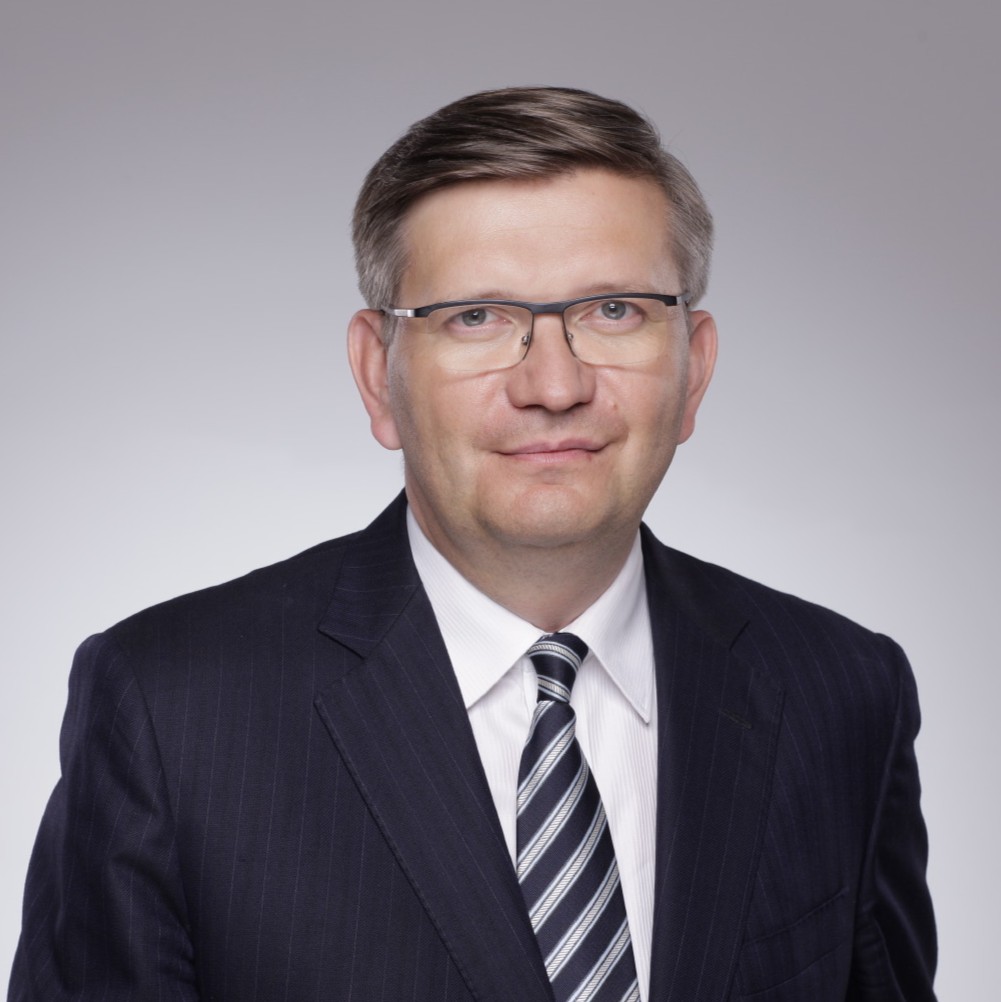
Rafał Witek
is a partner and co-founder of WTS Patent Attorneys – Witek, Śnieżko & Partners. He holds an MSc in biotechnology, and is a qualified Polish and European patent attorney, as well as a UPC representative. He obtained his degree in biotechnology from the Wrocław University of Technology, completed postgraduate studies in industrial property protection at Humboldt Univer- sity in Berlin, and undertook a research stay at the Max-Planck Institute for Industrial Property Protection and Tax Law in Munich. Since 2002, as a co-founding partner of WTS Patent Attorneys, he has specialised in the protection and commercialisation of inventions in the fields of biotechnology and pharmacy. He serves as an intellectual property consultant for numerous scientific organisations in Poland. He advises and aids in the development of several biotechno- logical companies. He is a member of the Polish Chamber of Patent Attorneys, the epi Committee on Biotechnological Inventions, AIPPI, FICPI, Union-IP, and EPLIT. In 2021, he was awarded the Badge of Honour “For Merits in Inventiveness” by the Polish Prime Minister.
Tomasz Kajdanowicz
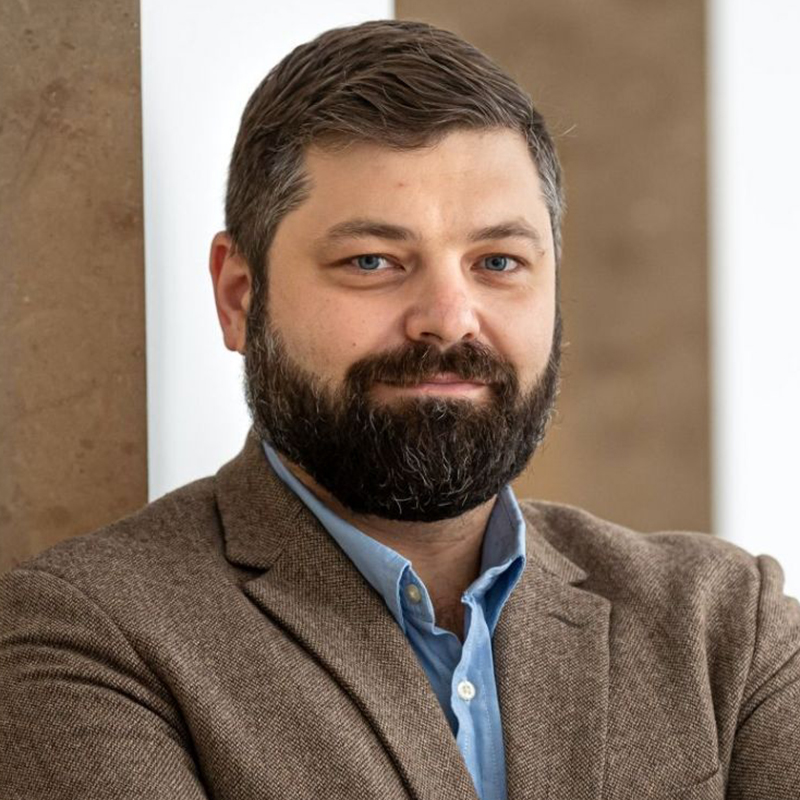
Tomasz Kajdanowicz
professor, is an artificial intelligence researcher and Head of the Department of Artificial Intelligence at the Faculty of Information and Communication Technology at Wrocław University of Science and Technology. He is a graduate of the prestigious TOP 500 Innovators Program at Stanford University (USA). He has served as a visiting professor at the University of Technology Sydney (Australia) and has held research appointments at Stanford University (USA), University of Notre Dame (USA), TU Dortmund University (Germany), and the Jožef Stefan Institute (Slovenia). Professor Kajdanowicz specializes in representation learning, deep neural networks, and large language models. He has published over 180 scientific papers and, more recently, has been investigating and critically examining transformations in the scientific method induced by artificial intelligence. His department developed, among other initiatives, the Polish Language Model PLLuM, which is currently integrated into the mObywatel application.
Przemysław Kazienko
Przemysław Kazienko
professor, is one of the most recognized researchers in AI and data science affiliated with Wrocław University of Science and Technology. He is a full professor, leader of the ENGINE, EMOGNITION, and HumaNLP research groups, author of over 300 publications and more than 50 projects, and is listed among the top 2% most frequently cited scientists worldwide. His work spans scientometrics, human-centered NLP, recommender systems, network analysis, and contemporary research on large language models (LLMs) - ranging from self-supervised learning to responsible recommendation mechanisms and Polish language models.
Wiktoria Mieleszczenko-Kowszewicz
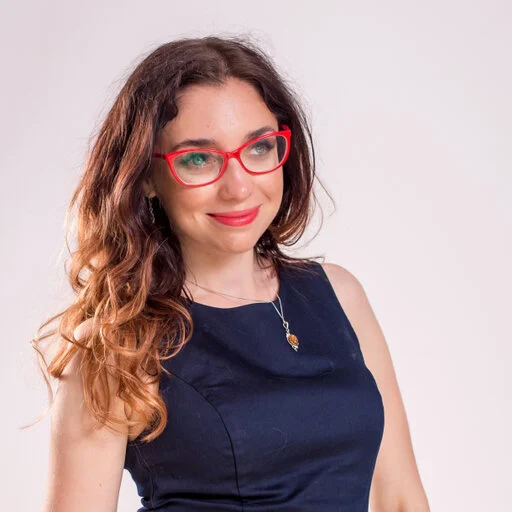
Wiktoria Mieleszczenko-Kowszewicz
is a postdoctoral researcher in the Department of Artificial Intelligence. She completed an interdisciplinary doctoral program integrating computer science and psychology. Her research is situated within the human-centered AI paradigm and focuses on the development of artificial intelligence systems that are safe, responsible, and exert a positive impact on individuals.
Mateusz Bystroński
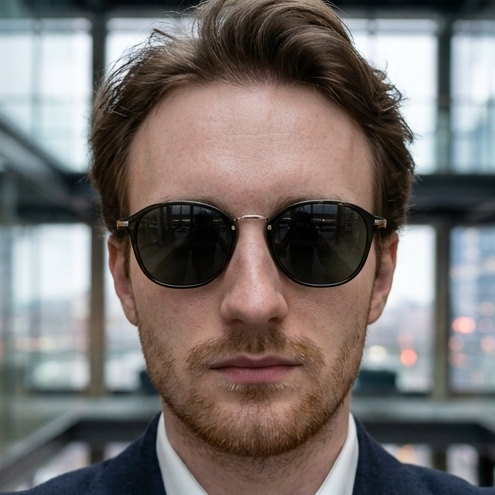
Mateusz Bystroński
is a PhD student in artificial intelligence, representing a generation of AI scholars whose academic trajectory has been entirely shaped by the era of modern AI. His work investigates mechanisms for enhancing novelty and diversity in model-generated outputs. He proposed a framework for exploring latent space that increases the semantic diversity of generated responses and improves performance in divergent thinking benchmarks without modifying model parameters. This contributes a novel perspective on computational creativity. He has also authored studies on predicting LLM response length and optimizing prompting strategies.
Maria Płatek
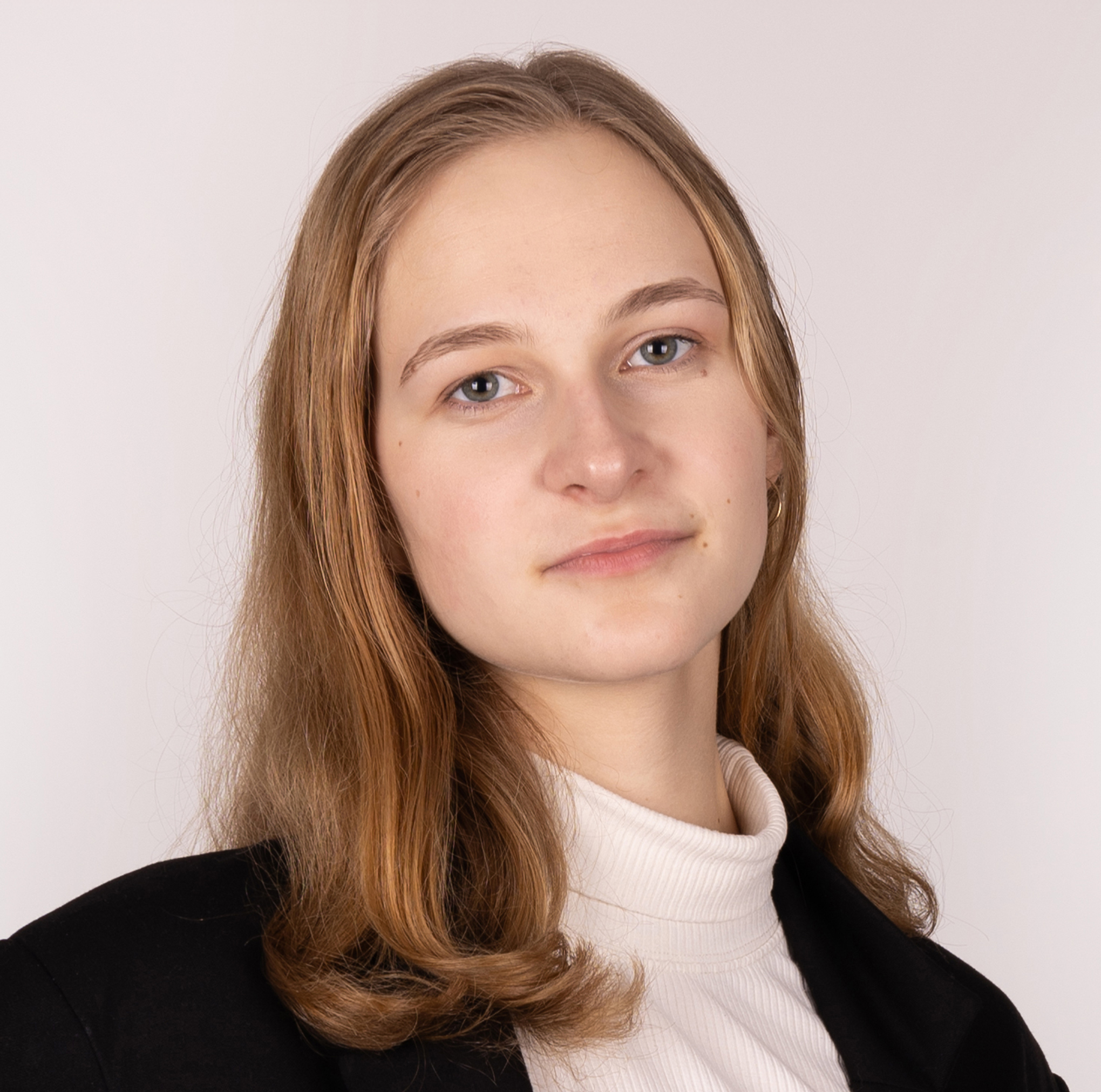
Maria Płatek
s a first-year AI engineering student at Wrocław University of Science and Technology and a proactive researcher within Axion Student Research Group, where she focuses on Quantum Machine Learning (QML). Her experience includes co-authoring a paper on ansatz optimization in QML and working on a hybrid quantum deep learning model for analysing exoplanet atmospheres from transmission spectroscopy. Maria is focused on finding her own path at the intersection of quantum computing and artificial intelligence, aiming to contribute to the next frontier of computational science.
Krzysztof Walkowiak
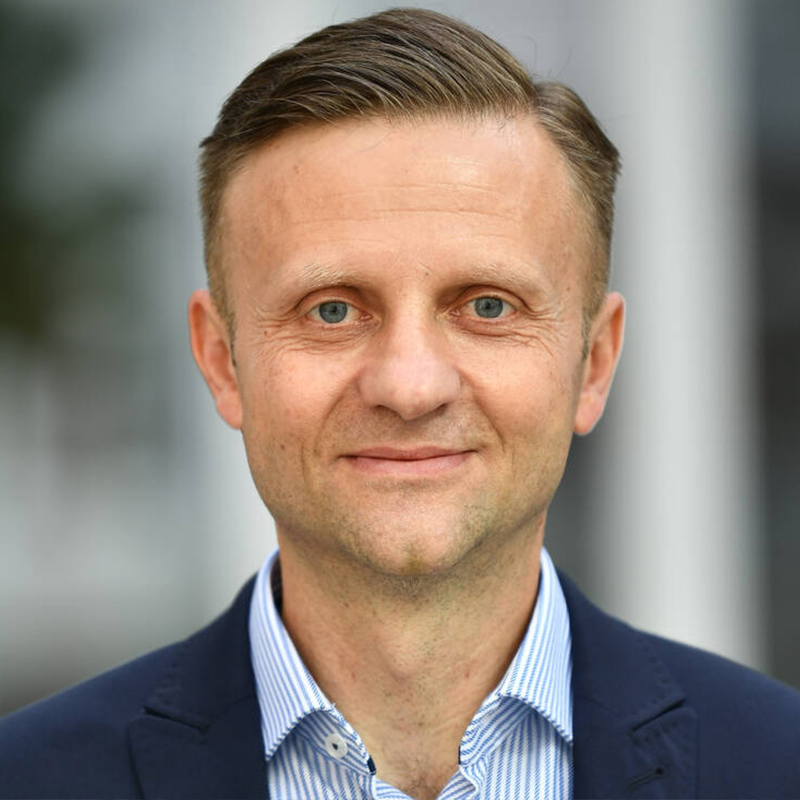
Krzysztof Walkowiak
has been a Full Professor at the Department of Systems and Computer Networks, Faculty of Information and Communication Technology, Wroclaw University of Science and Technology (Wrocław Tech), since 2017. His research interests include network optimization, the application of machine learning in networking, optical networks, 5G/6G systems, intent-based networking, and TinyML. He served as the doctoral supervisor for 12 successfully defended dissertations. Over the past twelve years, he has held various governance roles in doctoral education. Since 2020, he has served as Dean of the Wroclaw Tech Doctoral School. He is one of the initiators of the Polish Association of Doctoral Schools, established in 2021, and a member of its Steering Committee. Since 2025, he has been a member of the EUA-CDE Steering Committee.
Maja Szymczak
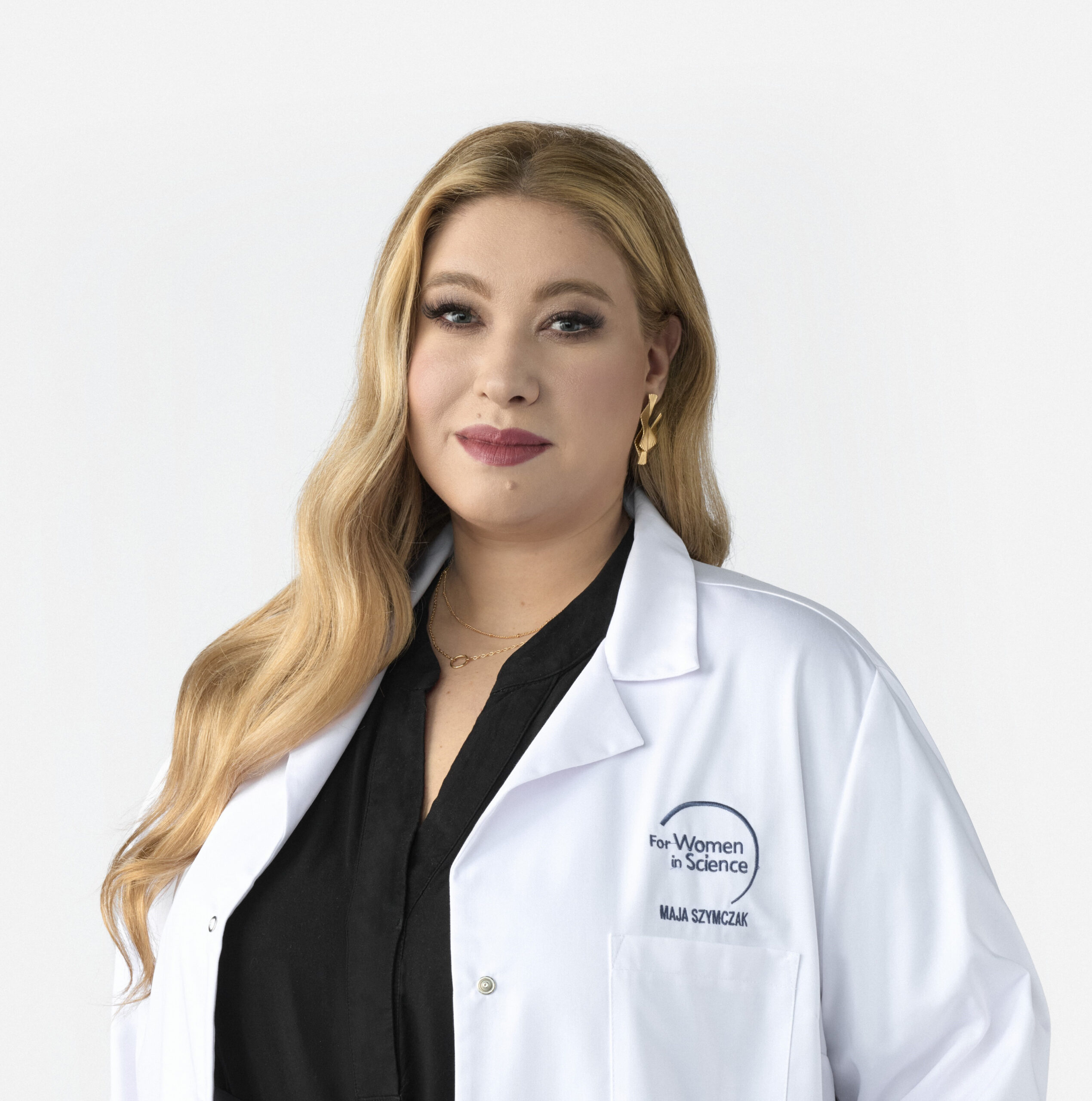
Maja Szymczak
Maja Szymczak is a chemist specializing in the application of luminescence for practical purposes, particularly in luminescent sensing. She received her PhD in late 2025 and currently holds a position as an assistant professor at the Institute of Low Temperature and Structure Research, Polish Academy of Sciences. She is the principal investigator of research projects funded by the National Science Centre (NCN), including PRELUDIUM and OPUS grants. She is the author of nearly 40 scientific publications, as well as a patent and several patent applications. Her scientific achievements have been recognized with multiple prestigious awards, including the L’Oréal-UNESCO For Women in Science and the START scholarship awarded by the Foundation for Polish Science.
Mehlayl Tariq
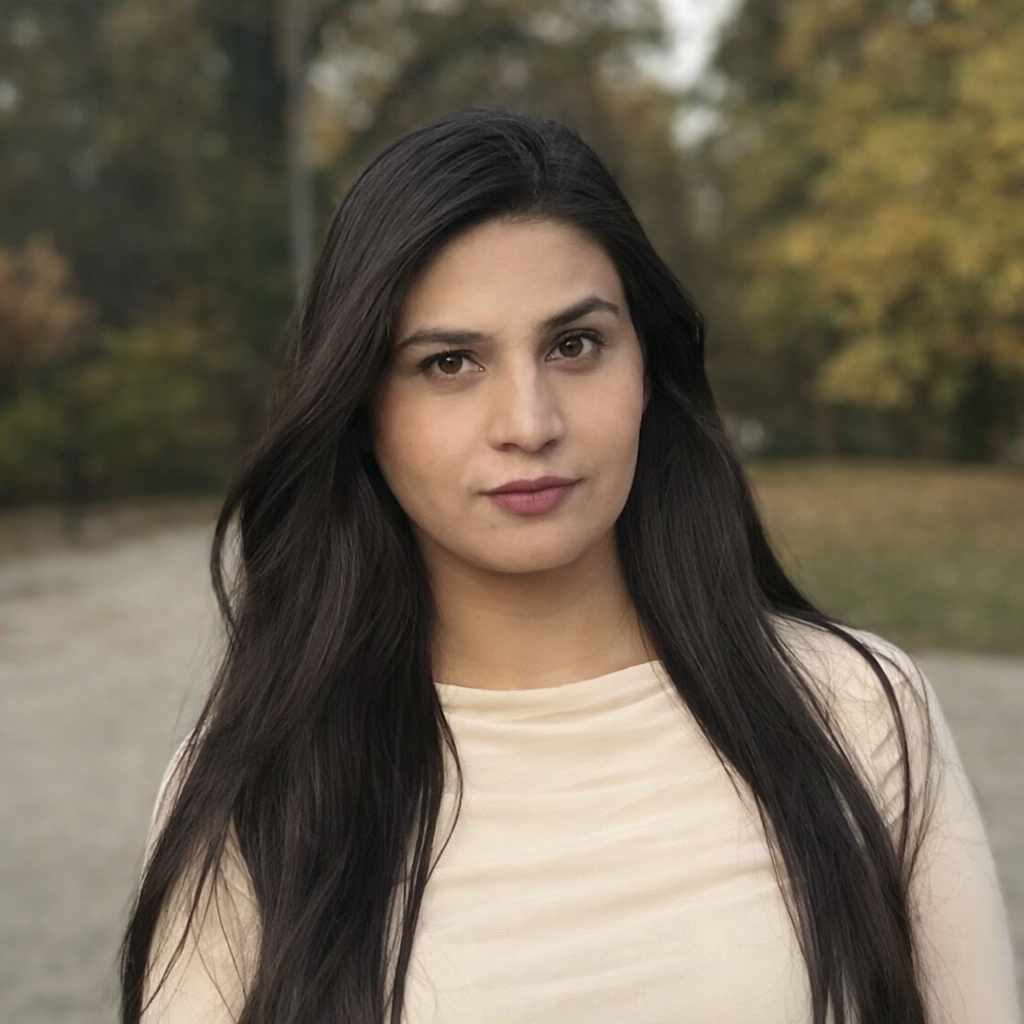
Mehlayl Tariq
Mehlayl Tariq is a PhD researcher at the Laboratory of Biomedical Chemistry, Hirszfeld Institute of Immunology and Experimental Therapy Wroclaw, where her work focuses on the conjugation of metallacarboranes with peptides to develop innovative hybrid compounds aimed at combating antimicrobial resistance. She obtained her Master’s degree in Applied Microbiology from Quaid-i-Azam University, Islamabad, Pakistan, with research centered on the characterization of lignin-degrading manganese peroxidase from bacteria isolated from pulp and paper mill effluent. She has actively presented her research at scientific conferences, earned best poster awards, and contributed to scientific publications. She strongly advocates for accessible education and engages in initiatives that support knowledge dissemination and scientific communication. At this conference, she will be part of the panel discussion “Entering a Research Career: How a PhD Shapes Your Way of Thinking and Working,” where she will share insights from her academic journey and research experience.
Michał Panek
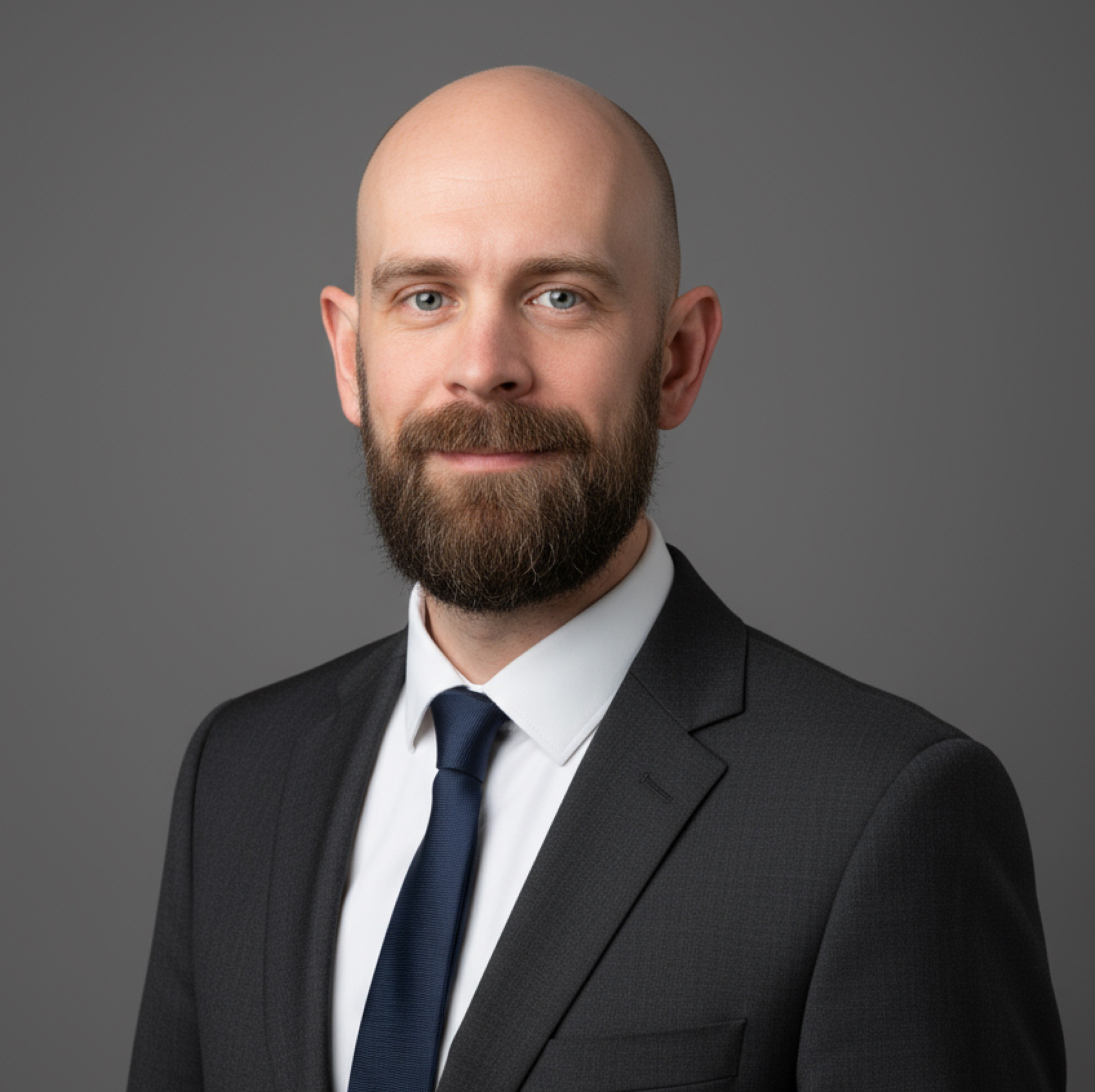
Michał Panek
Michał Panek bridges industry and academia in the field of mobile communications. He received his doctorate from the Wroclaw University of Science and Technology in 2025, where his research focused on applying machine learning techniques to the analysis of mobile networks. With over 16 years of experience in the telecommunications industry, he has contributed to the development and evolution of modern cellular networks across multiple technology generations. At Nokia, he serves as the technical leader of a data science team specializing in network performance analytics. Michał is a key contributor to research projects co‑funded by Nokia and the Polish National Centre for Research and Development (NCBR), which foster close collaboration between industry and academia. He is the author of multiple peer‑reviewed publications and several patent applications, and he is actively involved in the “Implementation PhD” programme as a company supervisor for a PhD candidate.
Bartosz Stec
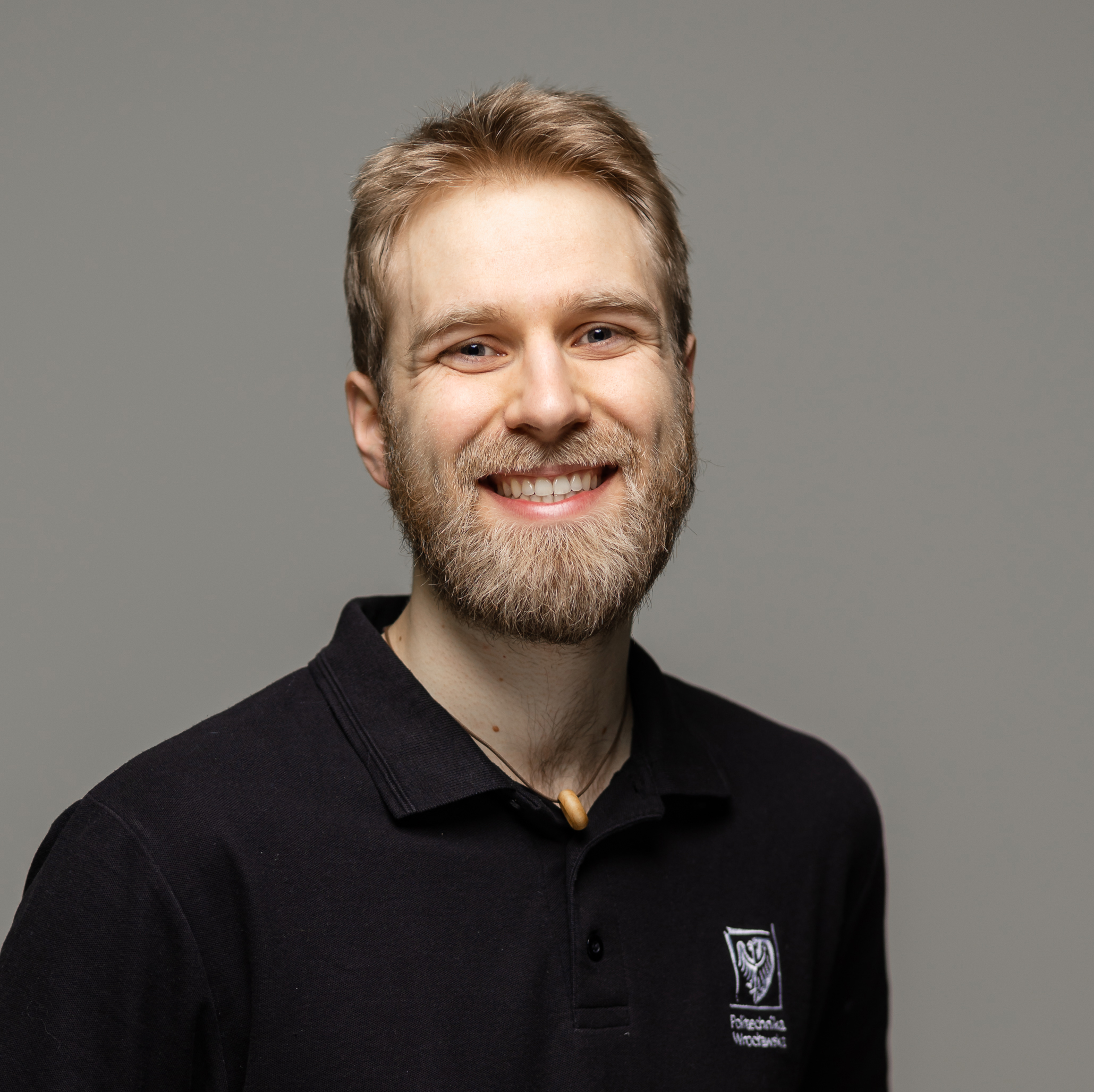
Bartosz Stec
Bartosz Stec is a researcher, teacher, and PhD Candidate at Wrocław Wrocław Tech. His academic work focuses on student organization management, project management in higher education, and leadership development among university students. In 2024, he received the Quintus award for the best teacher without a PhD degree at the Faculty of Management. He has authored and co-authored several studies on student engagement and organizational effectiveness. At Wrocław Tech, he conducts workshops and training programs aimed at developing management competencies in academic organizations.
Radosław Michalski
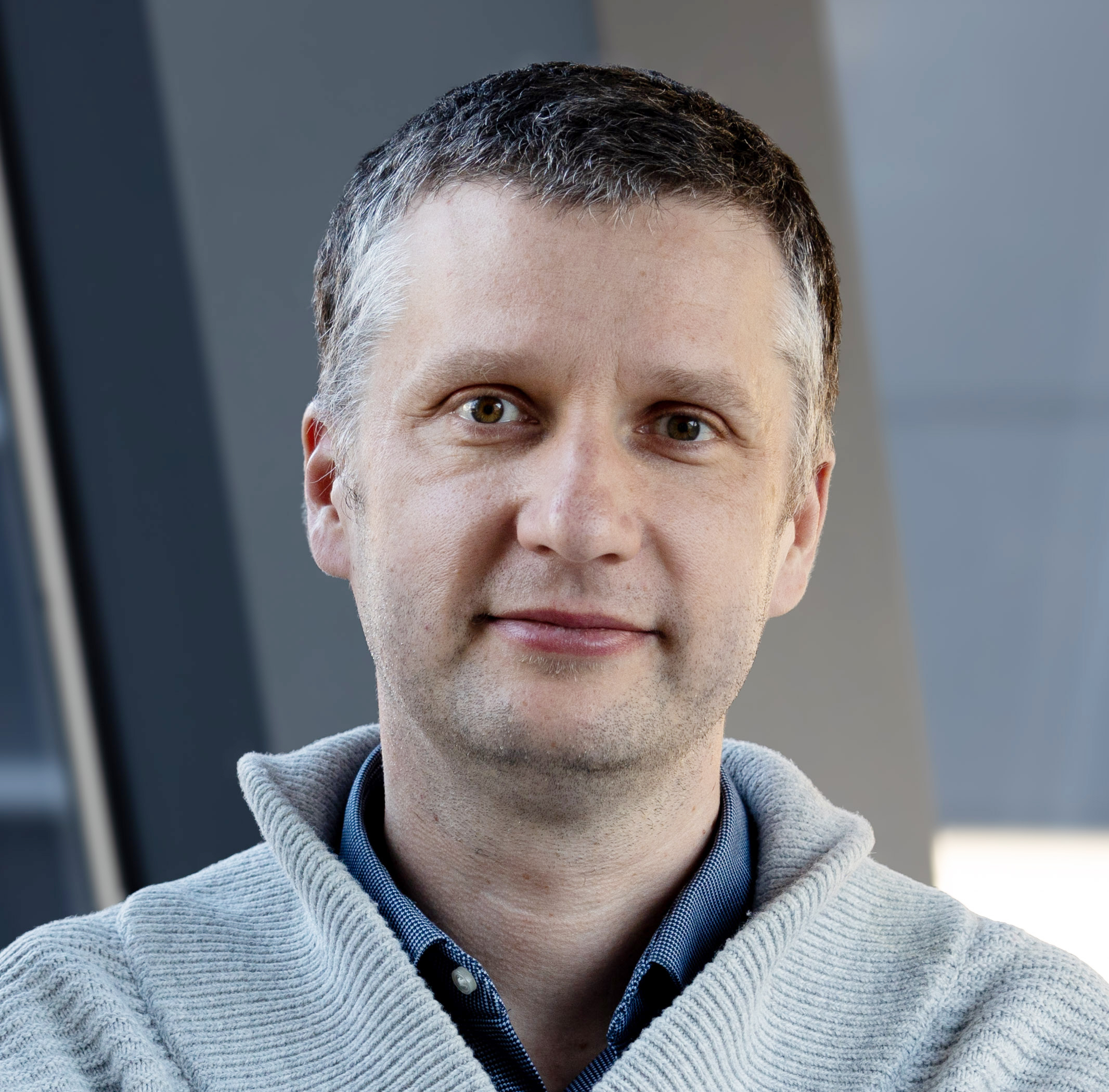
Radosław Michalski
is an Associate Professor at Wrocław University of Science and Technology, where he is based in the Department of Artificial Intelligence. His primary research focuses on complex systems, where non-trivial dependencies are prevalent. His particular interests lie in network dynamics and the identification of key nodes in complex networks. He is a co-founder and co-leader of the Network Science Lab, a group of researchers specialising in the study of networks (https://networks.pwr.edu.pl). In addition to his current role, Radosław Michalski serves as the Head of ICT educational discipline in the Doctoral School at Wrocław Tech.
Artur Bednarkiewicz
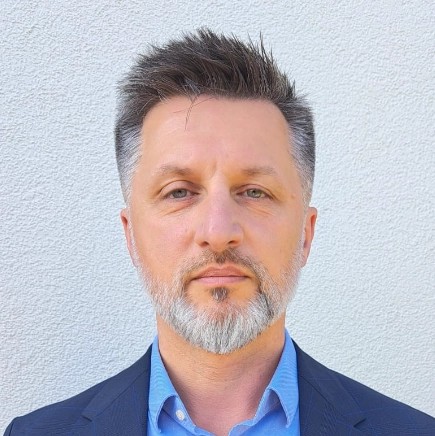
Artur Bednarkiewicz
received his MSc Eng. in Physics and Biomedical Engineering from the Wroclaw University of Technology in Wroclaw, Poland, in 1993 and a PhD, habilitation and Institute professorship in Physics from the Institute of Low Temperature and Structure Research, Polish Academy of Sciences, in 1998, 2013 and 2015 respectively. After postdoctoral research in the European Commission Joint Research Centre, Italy, in December 2008 he returned to ILT&SR PAS. He simultaneously established and led an interdisciplinary team NAOMIS with the Wroclaw Research Center EIT+ focusing on Nanoparticle Assisted Molecular Imaging and Sensing. He is now afiliated with Polish Academy of Sciences as a full professor and vice director of the Institute.
Min Ying Tsang
Min Ying Tsang
obtained her PhD in 2015 from Institute of Material Science of Barcelona (ICMAB-CSIC) in Chemistry. She then pursued her research career in the U.K., Japan, Austria and Poland on design, synthesis and application of various porous materials. She is currently a Junior Principle investigator and the head of the Functional Macromolecules and Porous Materials Group in the Advanced Materials and Engineering Centre at Łukasiewicz Research Network – PORT Polish Centre for Technology Development. Her research focuses on developing porous materials including Metal-organic frameworks, cages, porous liquids and lanthanide-based porous phosphors ranging from fundamental studies to industrial applications. She is also an active member in EU4MOFs and EU-MACE COST actions, supporting international networking and facilitate collaboration.
Anna Jarzab
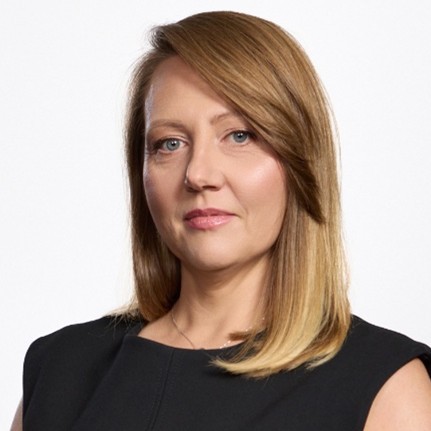
Anna Jarzab
is an immunologist specializing in proteomics and biochemistry. She earned a master's degree in biotechnology from the Wroclaw University of Science and Technology and a doctorate and habilitation from the Institute of Immunology and Experimental Therapy of the Polish Academy of Sciences in Wroclaw. Among others she made several research stays at the Technical University of Munich in Germany and the University of California, Berkeley, US. She currently leads a research group at the HIIET PAS in Wroclaw and she is the PI of several research projects under the Leader 13 Program (NCBR), Sonata Bis 13 (NCN) and the Alexander von Humboldt Research Linkage Grant. In her research projects she studies proteins structure and function in the context of their immunogenicity and thermolability. She focuses in particular on the development of antibacterial vaccines and the impact of fever on bacterial infections. She is the author of numerous scientific publications (Nature Meth., Nucleic Acid Res., Mol. Sys. Biology, Vaccine, PlosOne), the holder of patents, and recipient of numerous scientific awards, including Top500 Innovators, Alexander von Humboldt fellowship, Ministry of Science and Higher Education scholarship for outstanding young scientists, Politic Scientific Award, L’Oreal-UNESCO for Women in Science.